What are the Benefits of PVC Panels for Bathroom Use?
The use of PVC panels for bathroom renovations has gained increasing attention in recent years. Industry reports highlight that the global market for decorative wall panels is projected to reach $9 billion by 2026. This growth is primarily driven by the demand for cost-effective and stylish solutions in wet areas, notably bathrooms. PVC panels for bathroom use stand out due to their waterproof properties and ease of installation.
Homeowners appreciate the lightweight nature of PVC panels. They require minimal maintenance and resist mold growth, which is crucial in high-humidity environments. According to a survey by the National Association of Home Builders, approximately 45% of homeowners choose materials based on longevity and durability. PVC panels meet these criteria effectively.
However, there are considerations to keep in mind. Although PVC panels offer multiple benefits, some users report concerns over their appearance and texture. This highlights the need for careful selection to achieve the desired aesthetic. Overall, when considering renovations, PVC panels for bathroom use provide a blend of practicality and style, making them a popular choice among modern homeowners.
Advantages of PVC Panels for Bathroom Applications
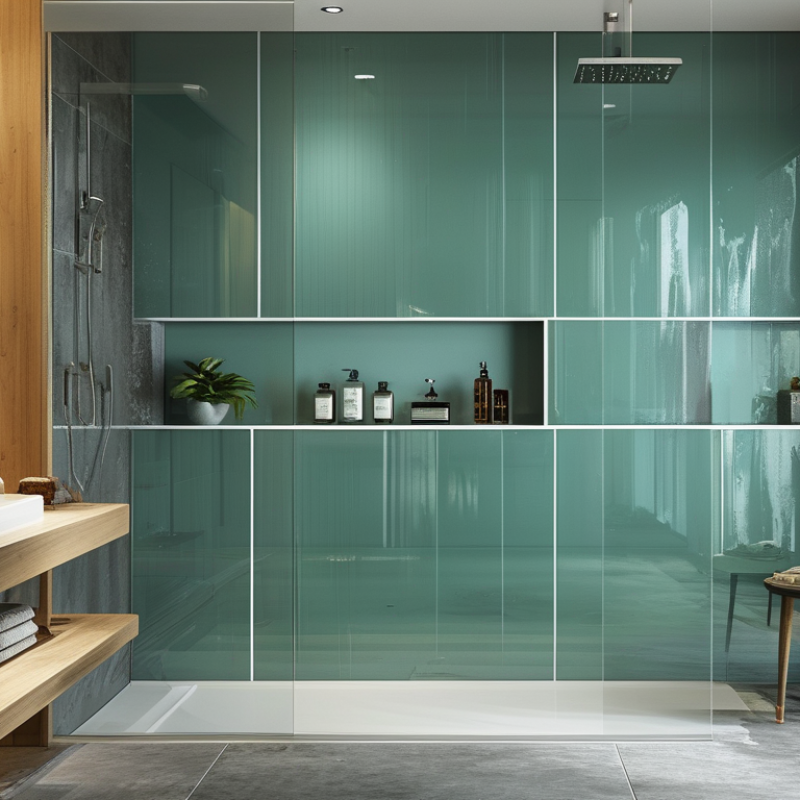
PVC panels offer numerous advantages for bathroom applications, transforming spaces into visually appealing and functional areas. First, these panels are waterproof, making them an excellent choice for humid environments like bathrooms. They resist mold and mildew, which can be a persistent issue in traditional wall materials. This durability ensures a cleaner and healthier atmosphere.
Another significant benefit is the ease of installation. PVC panels are lightweight and can be cut to fit various dimensions effortlessly. This feature allows for quick renovations, minimizing disruption to daily routines. Additionally, the range of designs and colors available enables homeowners to personalize their spaces. Bright colors or subtle patterns can enhance the overall aesthetic.
While the benefits are compelling, there are some considerations. Not all PVC panels have the same quality. Choosing lower-quality options may lead to discoloration or fading over time. Regular maintenance is still necessary, even if these panels are resistant to moisture. Reflecting on these details helps ensure a successful renovation that balances beauty and practicality.
Durability and Water Resistance of PVC Panels
When considering bathroom materials, PVC panels stand out for their durability and water resistance. Bathrooms are highly humid areas. Traditional materials like wood or plaster can warp over time. They may lead to mold growth or decay. PVC panels, however, are non-porous. They do not absorb moisture. This makes them an excellent choice for long-term use.
The strength of PVC panels allows them to resist impacts. They can endure daily wear and tear without showing signs of damage. This durability is essential in a busy bathroom. One wrong move could crack tiles, but PVC provides peace of mind. They remain intact, even with regular cleaning and scrubbing.
However, one might wonder if the appearance matches their durability. Some PVC panels resemble natural materials, while others are purely functional. It's important to balance aesthetics with practicality. A bathroom should feel inviting. If the look of PVC doesn't meet your style, that’s a valid concern. Each choice has its trade-offs, and reflecting on these details can lead to a better decision.
Maintenance and Cleaning Benefits of PVC Panels
PVC panels are increasingly popular in bathroom renovations due to their ease of maintenance and cleaning. Unlike traditional materials, these panels do not absorb moisture. This characteristic helps prevent mold and mildew buildup. Regular cleaning requires just a simple wipe with a damp cloth. Harsh chemicals are not needed, which is beneficial for those with sensitive skin.
Another advantage of PVC panels is their resistance to stains. Spills from toiletries and cosmetics can be easily cleaned without leaving marks. This quality ensures that your bathroom looks fresh and appealing. However, it's essential to act quickly during cleaning. If stains set in, they can become challenging to remove.
While PVC panels are durable, minor scratches can occur. These imperfections may not be visible at first glance, but over time, they can accumulate. It's a good idea to use caution when handling sharp objects in the bathroom. Despite this, overall maintenance remains straightforward, making PVC panels a reliable choice for a busy bathroom environment.
Aesthetic Versatility of PVC Panels in Bathroom Design
PVC panels are redefining bathroom design with their aesthetic versatility. They come in various colors, textures, and patterns. Homeowners can easily find something that matches their personal style. Whether it’s a modern look with sleek finishes or a rustic vibe with wood-like textures, PVC panels can transform any space.
These panels are lightweight and easy to install. This flexibility allows for creative arrangements and design choices. Consider using bright colors to create a lively atmosphere. Alternatively, soft pastel shades can provide a calming effect. The options are diverse and can cater to different tastes and themes. However, not all designs may harmonize well; careful selection is crucial.
Moreover, PVC panels offer a practical solution. They are moisture-resistant, making them ideal for humid environments. Despite their durability, some might find limitations in repair options if damage occurs. Each design choice comes with its own set of challenges. Thoughtful planning and consideration of these factors can lead to stunning results in bathroom aesthetics.
Cost-Effectiveness of PVC Panels Compared to Traditional Materials
When considering bathroom renovations, cost is often a primary concern. PVC panels are a noteworthy alternative to traditional materials like tiles or wood. These panels are usually more affordable, especially when considering installation and maintenance. Traditional materials can be expensive, both in upfront costs and future repairs. PVC panels require minimal upkeep, which translates to long-term savings.
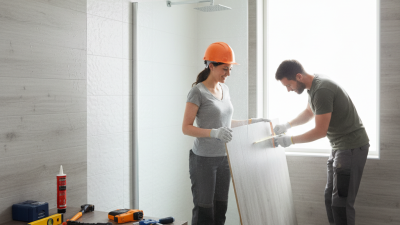
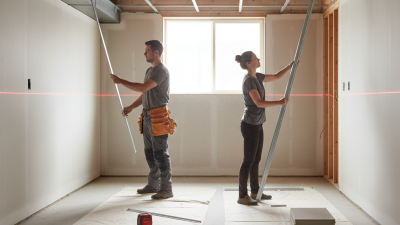
Installation of PVC panels is generally quicker and simpler. They often come in interlocking designs, making them easier to fit than tiles. You won’t need special skills or tools for installation. This can significantly reduce labor costs, making them an attractive option for budget-conscious homeowners. However, buyers should be cautious. The quality of PVC panels can vary widely. Some cheaper options might not withstand moisture as effectively, leading to potential problems later on.
While PVC panels seem beneficial, it is vital to consider the long-term effects. While they resist moisture, they may not always match the aesthetic appeal of traditional materials. Homeowners should weigh their priorities carefully. For some, the sleek, modern look of tiles may justify the extra expense. Understanding both the advantages and limitations of PVC panels will help you make an informed choice for your bathroom.