Leave Your Message

What Are the Best Types of PVC Bathroom Panels?

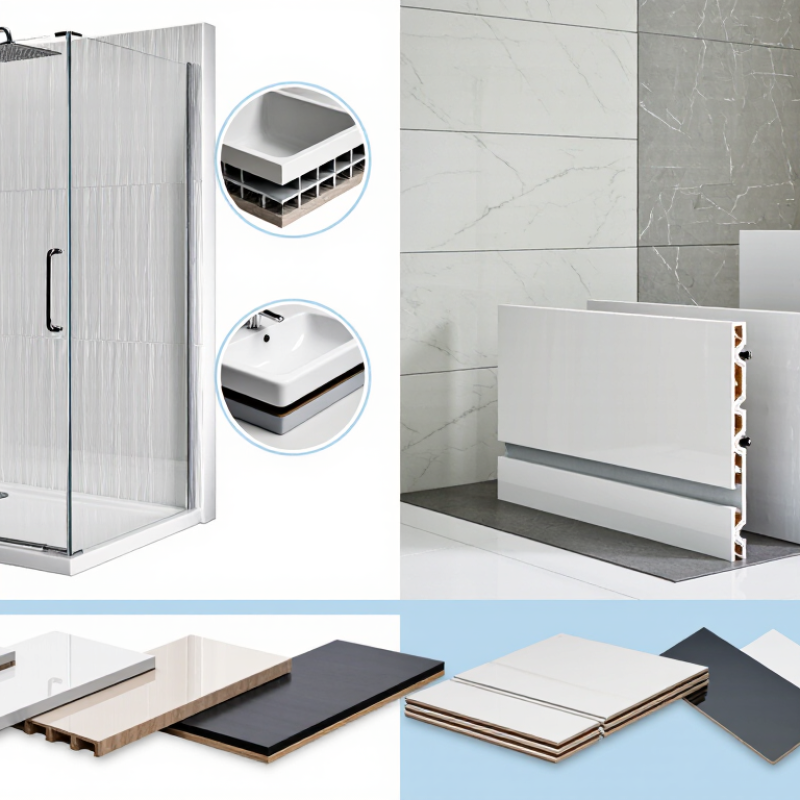
Choosing the best PVC bathroom panels starts with the room itself. A compact shower room may benefit from bright, lightly textured panels that reflect available light. In a larger bathroom, marble-effect or stone-look designs can add visual depth without heavy tiles. Pvc Panel Bathroom options also include plain finishes, tongue-and-groove styles, and panels with different surface textures. Looks matter. But appearance alone does not determine whether a panel suits daily use.

Panel construction, thickness, and joint design deserve close attention. Hollow panels are often lighter and easier to handle, while solid-core options may feel sturdier. Check the manufacturer’s specifications rather than relying on appearance or a single thickness figure. Details count. PVC panels can resist moisture, but the finished wall is only as dependable as its installation. Correctly sealed edges, suitable wall preparation, and careful fitting around taps and shower fittings all matter. A rushed joint can let water reach the surface behind the panels.

This guide compares common panel types and explains where each may work best. It also considers cleaning, durability, installation needs, and the trade-offs between patterned and plain finishes. A glossy panel can brighten a dim corner, yet it may show water marks more clearly. Matte finishes can disguise some marks, though their texture may need extra care during cleaning. There is no perfect choice for every bathroom. Compare product guidance, inspect samples in the room’s lighting, and think about how the space is actually used before deciding.
What Are the Best Types of PVC Bathroom Panels?

How PVC Bathroom Panels Are Made and Classified

PVC bathroom panels are commonly made by extrusion. Heated PVC compound passes through a shaped die, then cools into long profiles. The compound may contain stabilizers, pigments, impact modifiers, and processing aids. These ingredients influence color, rigidity, and resistance to heat and moisture. Some panels have a hollow core; others use a denser, solid construction. Surface films or printed finishes can create a tile-like pattern without grout lines.

Classification depends on more than appearance. Buyers can compare core structure, panel thickness, profile shape, joining system, and intended wall or ceiling use. Tongue-and-groove edges, for example, help panels align, but poor installation can still leave gaps. PlasticsEurope’s 2023 report, Plastics – the Fast Facts, estimates that PVC represented 11.3% of global plastics production in 2022, out of 400.3 million tonnes. That figure covers plastics overall, not bathroom panels specifically. It shows PVC is a widely used material, but does not prove that every panel performs equally well. Check product specifications and installation guidance. A glossy face can hide a thin, flexible core. That detail is easy to miss.

What Are the Best Types of PVC Bathroom Panels? - How PVC Bathroom Panels Are Made and Classified

Panel type or classification How it is made Typical characteristics Best suited for Points to check
Hollow-core (cellular) panels PVC is heated and extruded through a shaped die to form two outer faces joined by internal ribs or webs. Lightweight, with a ribbed internal structure; commonly supplied as interlocking wall-cladding boards. Thickness and width vary by product. General bathroom walls where easy handling and quick installation are priorities. Check panel rigidity, joint design, fixing requirements, and whether cut edges need sealing in wet areas.
Solid or compact PVC panels PVC compound is extruded or formed into a dense, solid sheet, then cut to size and finished as required. Denser and generally more impact-resistant than hollow-core panels of comparable size; usually heavier and may cost more. Areas where a more substantial panel or greater resistance to everyday knocks is desired. Confirm the actual material composition, thickness, support spacing, and approved installation method.
Printed or decorative-surface panels A printed design is applied to a PVC panel, often followed by a protective clear layer or coating. Available in plain colors and patterns such as tile, stone, or wood effects. The core may be hollow or solid. Bathrooms where a patterned look is wanted without installing individual tiles or stone slabs. Ask about surface-cleaning guidance, scratch resistance, and how the print and protective layer are maintained.
Laminated or film-faced panels A decorative film or laminate is bonded to a PVC substrate, typically using pressure and adhesive during manufacture. The face layer provides color, pattern, or texture; panel performance depends on both the substrate and the bonded surface. Feature walls and installations that call for a particular decorative finish. Check that the surface is intended for bathroom use and follow instructions for trimming, joining, and sealing.
Embossed or textured-finish panels Texture is created on the panel surface during forming or added through a finishing process; panels may also have a printed or laminated design. A raised or tactile appearance can imitate grout lines or natural materials. Texture can affect cleaning. Decorative applications where surface appearance is a priority. Check cleaning instructions and inspect joints, corners, and cut edges for suitable wet-area sealing.
Profiles and joint systems Panels are shaped with matching tongue-and-groove edges or installed with separate joining, corner, and edge profiles. The joint design affects alignment, appearance, and how water is managed at panel connections. All panel installations, especially shower surrounds and corners. Use compatible trims and the specified sealant; panels and joints are not automatically waterproof when installed incorrectly.

Note: Panel dimensions, core construction, finishes, and installation details vary between products. Follow the manufacturer’s instructions and local building requirements, particularly for shower areas.
Common Panel Types by Shape, Surface, and Finish

What Are the Best Types of PVC Bathroom Panels?
Common Panel Types by Shape, Surface, and Finish

PVC bathroom panels come in broad sheets, narrow planks, and tile-look sections. Large sheets create fewer seams, which can make wiping down walls easier. Tongue-and-groove planks add visible lines and suit a more structured look. Tile-effect panels offer a familiar grid without individual grout joints. Small rooms benefit. Still, check how corners and edges will be finished before choosing a format.

Surface texture changes both appearance and upkeep. Smooth panels are generally simple to clean, while embossed stone or wood patterns add depth under bathroom lighting. Their grooves may collect soap residue, so inspect the texture closely. Gloss finishes reflect light and can brighten a dim bathroom, but water spots may show more clearly. Matte finishes soften glare and often look calmer. Details matter. I would not decide from one small sample alone; a finish can feel quite different across a full wall. Check panel dimensions, wall condition, and installation guidance to ensure the chosen shape and finish suit the space.

Shower Panels Compared with General Wall Panels

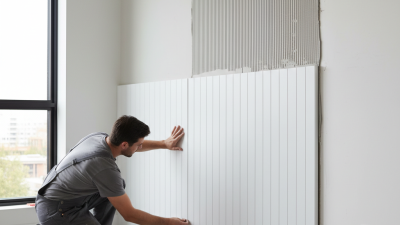
Shower panels and general wall panels can both use PVC, but they serve different conditions. Shower panels are made for frequent splashes and humid air. Many systems use wide sheets or interlocking sections to reduce visible joints. Fewer joints can mean fewer places for water to collect, provided the edges and corners are sealed correctly. Installation matters.

General wall panels are usually selected for areas such as a bathroom’s dry walls, where direct, repeated spray is less likely. They can offer more decorative finishes and may be easier to cut around sockets or shelves. That convenience does not automatically make them suitable inside a shower. Check the product’s stated use, thickness, fixing method, and trim details before buying.

For a shower, inspect how panels meet at the tray, ceiling, and internal corners. A neat surface can still conceal a poor seal. The wall behind it should also be sound and prepared as instructed; PVC does not fix damp or unstable plaster. General panels may need less specialised edge detailing, but bathroom ventilation still matters. I would not choose by appearance alone. A glossy sample can look convincing under shop lights, then show water marks more clearly at home. My own comparison would include cleaning effort, joint layout, and replacement access, not just price.

Ceiling and Decorative Panels: Uses and Limitations

Ceiling and decorative PVC panels serve different purposes in a bathroom. Ceiling panels can cover stained plaster or an uneven surface, while their smooth finish is easy to wipe after condensation forms. They are lightweight, so a sound supporting frame matters. Check the panel’s installation instructions and suitability for humid rooms before buying; not every PVC product is designed for ceiling use. Leave the specified expansion gaps, especially near warm pipes or lights. Small details matter.

Decorative panels are useful for adding color, a tile-like pattern, or a focal wall without grout lines. They can work well behind a freestanding bath or on a dry feature wall, but joints and edges still need careful sealing in splash zones. Water can find a weak seam. Panels also do not fix damp, leaks, or poor ventilation; those problems should be addressed before covering the surface. I once saw a neat-looking wall hide a soft patch underneath, which was a costly lesson. PVC can scratch, and some finishes look less convincing up close. Compare samples in bathroom lighting, and confirm cleaning guidance, fire performance, and compatibility with the chosen adhesive or framing system.

How to Choose a Panel Type for Your Bathroom’s Needs

Choosing PVC bathroom panels starts with the room’s wettest area. For a shower enclosure, select panels specifically rated by their manufacturer for direct, repeated water exposure. Solid or rigid panels usually feel sturdier than hollow, tongue-and-groove boards, while lighter boards can be easier to handle on uneven walls. Check the installation instructions for compatible backing, joint sealants, and edge details. A weak seam can matter more than the panel face. Small room? Pale, low-texture finishes can make narrow walls feel less busy, though glossy surfaces show water spots more clearly.

For a guest bathroom with occasional splashes, lighter panels may be practical and simpler to cut. In a family bathroom, prioritize cleanable surfaces, durable joints, and replacement availability. The U.S. Environmental Protection Agency’s moisture-control guidance recommends keeping indoor relative humidity below 60%, ideally between 30% and 50%; good ventilation still matters, even with water-resistant cladding. Ask for product-specific test and fire-performance information, and check applicable local requirements rather than assuming all PVC panels perform alike. I would compare samples under the bathroom’s actual lighting. Color can look surprisingly different at home. One detail is easy to miss: measure around taps, corners, and access panels before ordering, then confirm the fixing system suits the wall beneath.

What Are the Best Types of PVC Bathroom Panels?

Compare common panel styles by how well they suit three everyday bathroom needs. Scores are a practical, qualitative guide—not standardized test results. Cleaning and water resistance also depend on correct installation and sealed joints.

How to choose: Smooth panels are usually easiest to wipe down. Marble-effect and textured finishes can disguise water marks, while tongue-and-groove designs add a traditional look but have grooves that may need extra attention during cleaning.