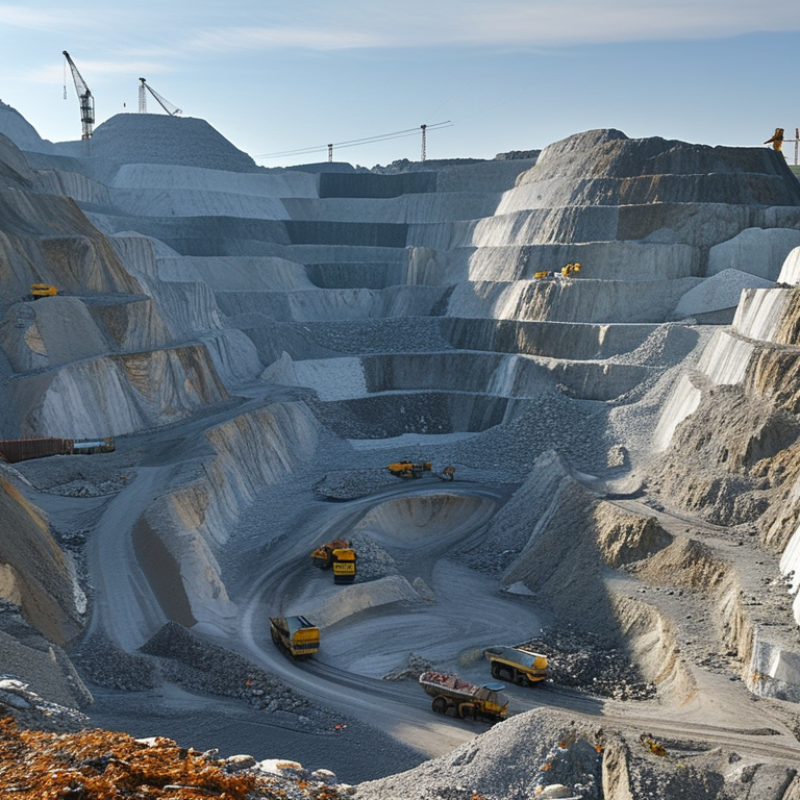
Choosing gypsum for a global project is no longer only a matter of price, strength, and availability. Sustainable Gypsum must also withstand environmental scrutiny across its entire life cycle. The U.S. Geological Survey’s Mineral Commodity Summaries 2024 reports global gypsum mine production at roughly 150 million metric tons in 2023. That scale matters. A small procurement decision can influence quarrying, processing, packaging, and transport emissions.
The material may look simple.
Yet its footprint is not.
The Global Status Report for Buildings and Construction 2024 links the building sector to approximately 32% of global energy demand and 34% of global carbon dioxide emissions. Gypsum is only one component, but responsible selection still requires evidence. Buyers should request verified Environmental Product Declarations, recycled-content data, and manufacturing energy information. They should also compare local and imported supply routes, because a lower factory footprint can lose its advantage after long-distance shipping.
Circularity deserves close attention. The European Commission’s Construction and Demolition Waste Management Protocol identifies construction and demolition waste as more than one-third of all waste generated in the European Union. Recycled gypsum can reduce dependence on virgin mineral extraction, but its quality, contamination controls, and regional collection systems require verification. “Recycled” is not automatically better.
Project teams should examine calcination technology, renewable electricity use, product durability, indoor-air certifications, and end-of-life recovery options. Supplier audits and batch documentation strengthen confidence. Still, no single score is perfect. Data may be incomplete, inconsistent, or based on different boundaries. A reliable decision therefore combines report-backed metrics with site experience, climate conditions, installation realities, and honest review of remaining impacts.
Sustainable gypsum for global construction projects means more than recycled content or a low-carbon label. It should perform reliably from extraction to installation and eventual recovery. A responsible assessment examines the mineral source, energy used in calcination, transport distance, packaging, and site waste. It also checks whether the product has verified environmental data, such as a product carbon footprint or environmental product declaration.
Performance remains essential. Gypsum must resist cracking, moisture, fire, and repeated handling under local conditions. A lightweight board may reduce transport emissions, but poor durability can create earlier replacement waste. Regional climate matters too. Humid coastal sites require different specifications from dry inland projects. Compliance with local building codes and indoor air-quality requirements should be documented, not assumed.
Circularity needs practical evidence. Can clean offcuts return to production? Are demolition materials accepted through an established recovery route? Clear answers are more valuable than broad promises. Site teams should record waste volumes, delivery distances, and installation losses. These details reveal the real result.
No project is perfectly sustainable. Early assessments often overlook temporary storage or damaged materials. That is a useful weakness to examine. A credible definition therefore combines measurable environmental impact, verified safety, long service life, and transparent supply-chain information. Sustainable gypsum is not simply the greenest material on paper. It is the material that performs responsibly in its actual project context.
Choosing sustainable gypsum starts with the source, not the product label. The USGS Mineral Commodity Summaries 2024 estimated global gypsum mine production at about 150 million metric tons in 2023. That scale makes location important. A nearby quarry may reduce transport emissions, but distance alone proves little. Request extraction permits, reserve data, rehabilitation plans, and recent water-monitoring results.
Mining practices deserve close inspection. Open-pit gypsum operations can disturb soil, habitats, and groundwater. Dust from crushing and haul roads also affects nearby communities. Look for progressive land restoration, covered conveyors, low-emission equipment, and closed-loop water systems. The International Energy Agency identifies material efficiency and lower-carbon industrial supply chains as key climate measures (IEA, Energy Technology Perspectives 2024). Still, supplier claims can be incomplete. Audit evidence matters more than polished brochures.
Recycled gypsum and verified synthetic gypsum may reduce pressure on natural deposits. However, their quality and chemical history require testing. Construction and demolition waste remains a major stream: Eurostat reported more than 374 million tonnes generated in the European Union in 2022. Separate collection prevents gypsum contamination and improves recovery. Industry guidance warns that gypsum sent to oxygen-free landfill conditions can generate hydrogen sulfide gas (WRAP, Gypsum Recycling in Construction and Demolition). That risk is often overlooked. A practical specification should require batch traceability, contaminant testing, recycled content data, and an environmental product declaration. No assessment is perfect. Site conditions can change faster than reports.
| Gypsum Source | Material Origin and Typical Use | Key Environmental Benefits | Main Environmental or Quality Risks | Mining, Processing, or Collection Practices to Assess | Evidence to Request from the Supplier | Indicative Sustainability Assessment |
|---|---|---|---|---|---|---|
| Natural gypsum from surface quarries | Mineral gypsum, chemically represented as calcium sulfate dihydrate (CaSO4·2H2O), extracted from shallow or near-surface deposits and used in plasterboard, plaster, cement, and agricultural products. | Can provide consistent mineral quality and may require less underground infrastructure than deep mining. Local sourcing can reduce transport distance when a suitable deposit is close to the project. | Land disturbance, habitat loss, visual impacts, dust, noise, blasting, traffic, stormwater runoff, and possible effects on groundwater. Karst geology may increase subsidence and water-flow risks. | Progressive land restoration; topsoil removal and storage; dust suppression; controlled blasting; water monitoring; biodiversity protection; stormwater controls; closure and rehabilitation planning. | Mine permit; environmental impact assessment; rehabilitation plan; water and dust monitoring records; biodiversity management plan; product test reports; transport distance and route data. | Conditional Suitable when impacts are actively controlled and rehabilitation is measurable. |
| Natural gypsum from underground mines | Gypsum extracted through underground room-and-pillar or related mining methods where geological conditions and deposit depth make surface quarrying less suitable. | Usually has a smaller surface footprint than an equivalent open quarry, although the overall impact depends on access roads, processing facilities, waste handling, and energy use. | Ground subsidence, worker safety hazards, ventilation energy demand, groundwater interception, waste rock, and long-term stability concerns. | Ground-control engineering; subsidence monitoring; mine-water management; energy-efficiency measures; safe backfilling where appropriate; controlled waste storage; formal mine-closure planning. | Mining method statement; geotechnical and subsidence studies; mine-water data; worker safety records; energy data; closure and post-closure monitoring commitments. | Conditional Potentially lower surface disturbance, but underground and water-related risks require strong controls. |
| Flue-gas-desulfurization (FGD) gypsum | Recovered synthetic gypsum produced when sulfur dioxide is removed from certain power-station exhaust gases using limestone or lime-based systems. It can be used in wallboard, cement, and other gypsum products when it meets applicable specifications. | Uses an industrial by-product and can displace some extraction of natural gypsum. Consistent processing may produce a relatively uniform material. | Quality may vary with fuel, limestone, process controls, and handling. Potential concerns include trace metals, moisture, impurities, stockpile runoff, and future availability as fossil-fuel power generation declines. | Separate collection; controlled dewatering and storage; runoff management; contamination testing; clear chain of custody; evaluation of long-term supply reliability. | Production-process description; batch quality tests; contaminant screening; safety data sheet; moisture and purity data; applicable regulatory compliance documentation; supply-duration assessment. | Preferred when verified Strong circularity potential, subject to contaminant testing and dependable supply. |
| Recycled gypsum from construction and demolition waste | Gypsum recovered from plasterboard and other gypsum-based products during construction, renovation, and demolition activities, then sorted and processed for reuse. | Diverts gypsum waste from landfill and reduces demand for virgin mineral extraction. Recycling can support closed-loop material use when clean gypsum is recovered separately. | Possible contamination from asbestos-containing materials, lead-based paint, persistent organic pollutants, timber, metals, insulation, or general demolition debris. Poorly managed gypsum waste can generate hydrogen sulfide in anaerobic landfill conditions. | Separate collection at source; trained demolition and deconstruction procedures; covered transport; magnetic and mechanical separation; contaminant screening; moisture control; traceable end use. | Waste acceptance criteria; sampling and laboratory results; asbestos and hazardous-material controls; recycled content declaration; recovery yield; chain-of-custody records. | Preferred when clean High circularity value, but contamination prevention and verification are essential. |
| Synthetic gypsum from other industrial processes | Gypsum generated as a by-product of selected chemical or industrial processes. Composition and suitability vary substantially by process and feedstock. | May use an existing industrial residue and reduce disposal requirements and virgin-material demand. | Potential variability in chemical composition, acidity or alkalinity, soluble salts, trace metals, moisture, and process-specific contaminants. Supply may depend on the continuity of the host industrial activity. | Process segregation; controlled storage; regular batch testing; runoff prevention; documented waste classification; assessment of the host process and its future operating profile. | Process flow description; representative laboratory testing; contaminant limits; regulatory classification; product specification; storage and transport controls; supply continuity statement. | Conditional Can be beneficial, but process-specific evidence is required for every source. |
| Gypsum recovered from manufacturing offcuts | Clean plasterboard or gypsum-product offcuts generated during manufacturing or installation, collected before they are mixed with other wastes. | Usually has a low contamination risk when segregated at source and can reduce both raw-material demand and manufacturing waste. | Benefits decrease when offcuts are mixed with insulation, wood, plastics, fasteners, adhesives, paint, or wet waste. Reprocessing may require additional energy and transportation. | Factory segregation; clean storage; efficient collection routes; removal of paper, metal, and foreign materials; documented recycling yields; moisture protection. | Recovered-content data; waste segregation procedure; contamination rate; processing method; recycled gypsum specification; mass-balance or chain-of-custody records. | Preferred Generally a reliable low-contamination circular source when separately collected. |
| Any source transported over long distances | Natural or synthetic gypsum moved between countries or regions by road, rail, inland waterway, or sea to reach the project. | May be justified when the material has significantly better verified environmental performance or when local supply is unavailable. | Transport fuel use, handling losses, port impacts, packaging waste, supply-chain disruption, and increased project emissions. Carbon benefits can be reduced by long road journeys or multiple transfers. | Modal shift toward rail or water where practical; full-load logistics; reduced empty backhauls; covered loading; optimized delivery schedules; comparison with qualified local alternatives. | Origin and destination data; transport modes and distances; shipment quantities; logistics emissions calculation; packaging information; alternative-source comparison. | Use with justification Assess the complete life cycle rather than source material alone. |
| Source with limited public environmental data | Any gypsum source for which mine, plant, waste, energy, water, or supply-chain information cannot be independently reviewed. | Potential benefits cannot be confirmed without transparent evidence. | Unverified land impacts, uncontrolled emissions, contamination, illegal or non-compliant extraction, misleading recycled-content claims, and weak remediation commitments. | Require disclosure before approval; conduct document review and, where material risk is high, independent site assessment and laboratory verification. | Permits; environmental reports; third-party audits; laboratory certificates; production and energy data; corrective-action records; responsible sourcing policy. | Do not approve without evidence Traceability and verifiability are minimum selection requirements. |
| Project-level selection criterion | Comparison of technically suitable gypsum sources against the project location, product specification, climate, regulations, and intended service life. | Integrates resource efficiency, local environmental conditions, product performance, durability, logistics, and end-of-life recovery. | A low-impact source may still be unsuitable if it fails fire, acoustic, structural, moisture, purity, or local regulatory requirements. Poor installation can also reduce service life and increase replacement impacts. | Use a documented multi-criteria assessment covering material quality, source impacts, water, biodiversity, waste, energy, transport, worker safety, compliance, durability, and recyclability. | Product conformity documents; environmental product declaration where available; life-cycle data; durability and performance tests; installation guidance; end-of-life plan. | Best-practice approach Select the lowest-risk source that meets all technical and regulatory requirements. |
Assessment note: Sustainability performance is site- and process-specific. Recycled or synthetic gypsum is not automatically low-impact, and natural gypsum is not automatically high-impact. Final selection should be based on verified source data, product compliance, life-cycle impacts, transport requirements, and local environmental conditions.
How to Choose Sustainable Gypsum for Global Projects
Sustainable gypsum decisions begin with the production route. Natural gypsum requires quarrying, crushing, drying, and transport. Synthetic gypsum, often recovered from flue-gas treatment, can reduce extraction pressure. Recycled gypsum comes from factory offcuts and demolition waste. However, collection systems differ sharply between countries. The U.S. Geological Survey reported approximately 150 million tonnes of mined gypsum production worldwide in 2023 (Mineral Commodity Summaries 2024). That scale makes small efficiency gains meaningful. It also exposes a weakness: recycled supply is still inconsistent.
Compare carbon footprints at the product stage, not by recycled percentage alone. Calcination needs heat, and fuel type strongly affects emissions. Publicly available EN 15804 environmental product declarations in the International EPD System commonly report plasterboard results around 1–3 kg CO2e per square metre, depending on thickness, energy mix, transport, and recycled content. These figures are not interchangeable. Some assessments include factory waste credits, while others do not. Read the system boundary carefully. It is easy to overclaim.
For global projects, request verified EPDs, recycled-content evidence, and energy data from the production site. Check whether “recycled gypsum” means pre-consumer scrap or post-consumer material. The difference matters. A plant using renewable electricity may outperform a plant with higher recycled content but coal-based heat. The World Green Building Council’s 2023 report also stresses measured carbon data across supply chains, rather than generic averages. My practical concern is simple: transport can quietly erase local material benefits. A lower-carbon product shipped thousands of kilometres may not remain lower-carbon on site.
Comparing production methods, recycled content, and carbon footprints
Recycled gypsum generally offers the lowest cradle-to-gate carbon footprint when collection, sorting, and reprocessing are efficient. FGD gypsum can also perform well because it is a power-generation by-product, while quarried gypsum normally has the highest extraction and processing impacts.
The chart uses representative midpoint benchmarks synthesized from publicly available gypsum and plasterboard EPDs and life-cycle assessment literature. Carbon values are shown in kg CO₂e per metric tonne of gypsum feedstock; actual results vary by energy mix, transport distance, moisture, allocation rules, and product formulation. FGD gypsum is classified as a by-product rather than recycled content.
Sustainable gypsum selection starts with evidence, not a recycled-content claim. The UNEP and GlobalABC 2023 Global Status Report states that buildings caused 37% of global energy and process emissions in 2022. Material decisions matter.
For global projects, request a product-specific Environmental Product Declaration under ISO 14025 and EN 15804. Check declared carbon data, recycled content, transport distance, and manufacturing energy. USGS Mineral Commodity Summaries 2024 reported approximately 22 million metric tons of U.S. gypsum mine production in 2023. That scale makes traceability essential. Ask for quarry location, extraction controls, batch numbers, and independent laboratory results. Supply records can be incomplete. That deserves scrutiny.
Quality and safety must match the destination market. In Europe, gypsum boards commonly require assessment against EN 520, while laminated products may involve EN 13950. North American projects often reference ASTM C1396/C1396M and fire testing under ASTM E84. These standards are not interchangeable. Confirm local fire ratings, moisture performance, acoustic values, and dimensional tolerances. Review the Safety Data Sheet for additives, dust controls, and disposal instructions. European shipments may also require REACH and CLP information. Other regions can impose separate conformity marks and testing routes.
A practical site check is simple. Inspect pallet wrapping, edge damage, moisture staining, and label consistency before installation. I would also compare laboratory certificates with random production samples. Certification can age. Data can be correct yet incomplete. That uncomfortable gap is where project risk often begins.
Choosing sustainable gypsum for a global project begins with supplier traceability, not attractive marketing claims. Request the quarry location, extraction date, recycled content, calcination fuel, and transport distance. A reliable supplier should map each batch from raw material to finished board. Ask for third-party verification, not only internal spreadsheets. Paper is not proof.
Certifications can strengthen confidence when their scope is clear. Look for environmental product declarations verified under ISO 14025 and EN 15804. Compare products using the same declared unit and product category rules. An EPD reports impacts; it does not automatically make a product sustainable. ISO 14001 may indicate structured environmental management, while responsible sourcing evidence can clarify labor and material controls. According to UNEP’s 2023 Global Status Report for Buildings and Construction, buildings represented 34% of global energy demand and 37% of energy and process emissions in 2022. Small material decisions deserve serious scrutiny.
Lifecycle value also matters. A board that lasts longer, resists moisture, and creates less installation waste may outperform a cheaper alternative. Examine service life, repair options, recyclability, and disposal routes in the destination country. Request project-specific carbon data when shipping spans continents. I would not accept recycled-content percentages without checking their calculation method. I would also challenge optimistic transport assumptions. Real sites are messy. Delivery delays, damaged pallets, and local waste capacity can change the result. Choose suppliers willing to disclose limitations, update data, and support independent review.