How to Choose the Perfect Dining Room Table and 4 Chairs for Your Home?
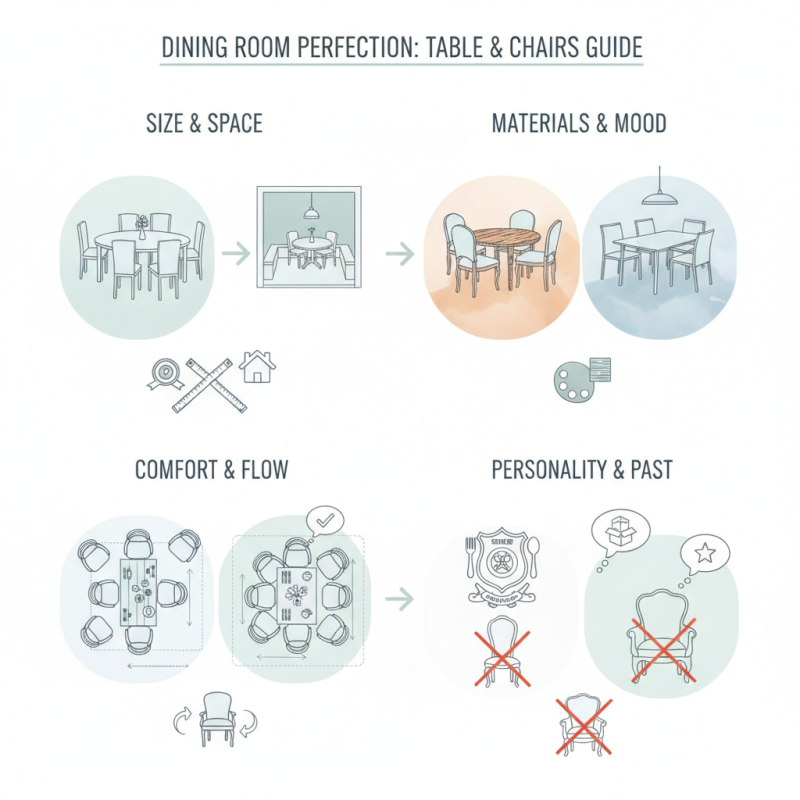
Choosing the right dining room table and 4 chairs can transform your space. Expert interior designer Sarah Greene emphasizes, "The perfect set reflects your lifestyle and taste." Understanding this helps ensure your dining area meets practical needs and aesthetics.
Consider the size of your room and existing furniture. A large dining room may accommodate an expansive table, while a cozy nook requires a more intimate setting. Materials matter too. Wood offers warmth, while glass adds modern flair. Think about how each choice affects comfort and flow.
Don't forget personal touch. Your dining room should tell a story about you. Perhaps you need to reflect on past setups. Did you feel cramped? Or were your chairs always too formal? Addressing these flaws can guide you to the ideal dining room table and 4 chairs that not only fit but flourish in your home.
How to Assess Your Dining Space for Table and Chair Size
Assessing your dining space is crucial for selecting the ideal table and chairs. Start by measuring your room's dimensions. Use a tape measure to find the length and width. Keep in mind any architectural features, like windows and doors, that may affect placement.
Next, visualize the layout. Aim for at least 36 inches between the table and walls or other furniture. This distance allows for comfortable movement. Consider the table shape that fits best. Rectangular tables suit long spaces, while round tables are great for smaller areas.
Be mindful of height as well. Standard dining tables measure about 28 to 30 inches. Chairs usually vary between 17 to 19 inches in height. Ensure there’s enough space between the seat and table for comfortable seating. It’s important to not just choose based on style, but also practical use. Think about the number of people you frequently entertain. The wrong dimensions can lead to overcrowded seating or an overly sparse setup.
How to Choose the Perfect Dining Room Table and 4 Chairs for Your Home?
| Dimension |
Standard Size (inches) |
Recommended Chair Height (inches) |
Number of People |
| Small Dining Table |
48 x 30 |
18 |
4 |
| Medium Dining Table |
72 x 36 |
18-19 |
6 |
| Large Dining Table |
96 x 48 |
19 |
8 |
| Rectangular Table (Expandable) |
72-84 x 36 |
18-19 |
6-8 |
| Round Dining Table |
60 diameter |
18-19 |
6 |
Understanding Different Dining Table Shapes and Their Benefits
Choosing the right dining room table and chairs can transform your home. The shape of your table plays a crucial role in functionality and style.
Round tables encourage conversation and save space. They are perfect for small areas.
Square tables work well in spacious rooms, providing a modern feel.
Rectangular tables are versatile and can accommodate more people.
Tips: Consider the size of your space. A table too large can overwhelm a room. Ensure there is enough room to pull chairs out comfortably.
A table that is too small may leave your guests feeling cramped.
Triangular tables, while unique, may not be suitable for larger gatherings. They can feel restrictive.
It’s important to weigh the pros and cons of each shape. Think about your lifestyle.
Do you frequently host dinner parties? If so, a rectangular table might be your best choice.
For cozy family dinners, a round or square table can create an inviting atmosphere.
Reflect on how you use your space before making a decision.
Evaluating Material Options: Wood, Metal, Glass, and Their Durability
When it comes to choosing materials for your dining room table and chairs, the options can be overwhelming. Wood, metal, and glass each provide unique benefits and aesthetics. Wood is sturdy and has a warm, inviting feel. It can withstand daily use, but scratches and dents may appear. Yet, these imperfections often add character.
Metal offers a contemporary touch and is incredibly durable. It resists rust and corrosion, making it ideal for high-traffic homes. However, it may feel cold to the touch, and certain finishes can show fingerprints easily. Glass, while elegant and chic, requires more maintenance. It's important to consider the risk of chipping or breaking, especially in homes with children.
Tips: When choosing your materials, think about your lifestyle. Do you have kids? Wood might be better. Do you love modern designs? Metal could be the way to go. Consider the maintenance involved with each type as well. Glass may require frequent cleaning to maintain its shine. Always weigh aesthetics against practicality to find the best fit for your home.
Durability Comparison of Dining Table Materials
This chart illustrates the durability ratings of various dining table materials on a scale from 1 to 10. It shows that metal is the most durable option, followed by wood, while glass has the lowest durability rating.
Choosing Chair Styles That Complement Your Table and Enhance Comfort
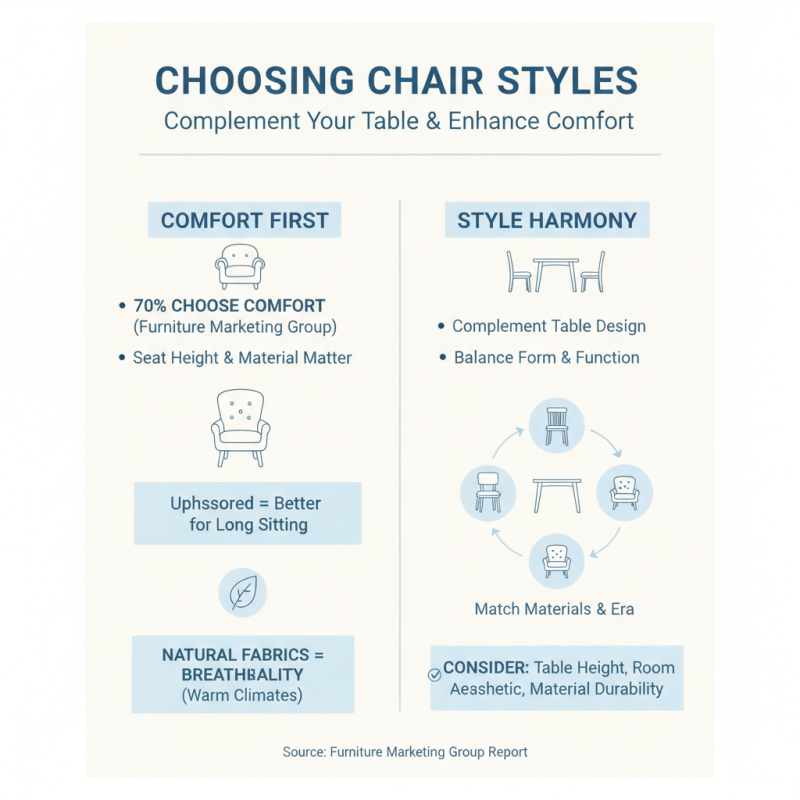
When selecting dining chairs, comfort and style play crucial roles. A report from the Furniture Marketing Group indicates that 70% of consumers value comfort over design. To ensure the right balance, consider factors like seat height and material. Upholstered chairs often provide better comfort for prolonged sitting. Opting for natural fabrics helps in breathability, especially in warmer climates.
Tip: Measure your table height before purchasing. This will help in selecting chairs that fit well. Aim for 10 to 12 inches between the seat and the tabletop for optimum comfort.
Moreover, think about how the chair design complements your table. A modern table pairs well with sleek chairs, while a rustic table needs more textured, wooden chairs. Mixing styles can work, but maintain a cohesive look. According to a survey by the American Home Furnishings Alliance, 60% of customers feel mismatched styles clash more than they enhance.
Tip: Use color swatches and fabric samples when shopping. Seeing how they interact with your table can lead to better choices. Color schemes should harmonize without being too matchy, creating an inviting atmosphere.
Choosing the right chair style is a task that requires thoughtful consideration. The perfect combination enhances both aesthetics and comfort, leading to enjoyable dining experiences. Your choices should resonate with your lifestyle and needs.