Leave Your Message

7 Tips for Choosing a Clear Acrylic Side Chair

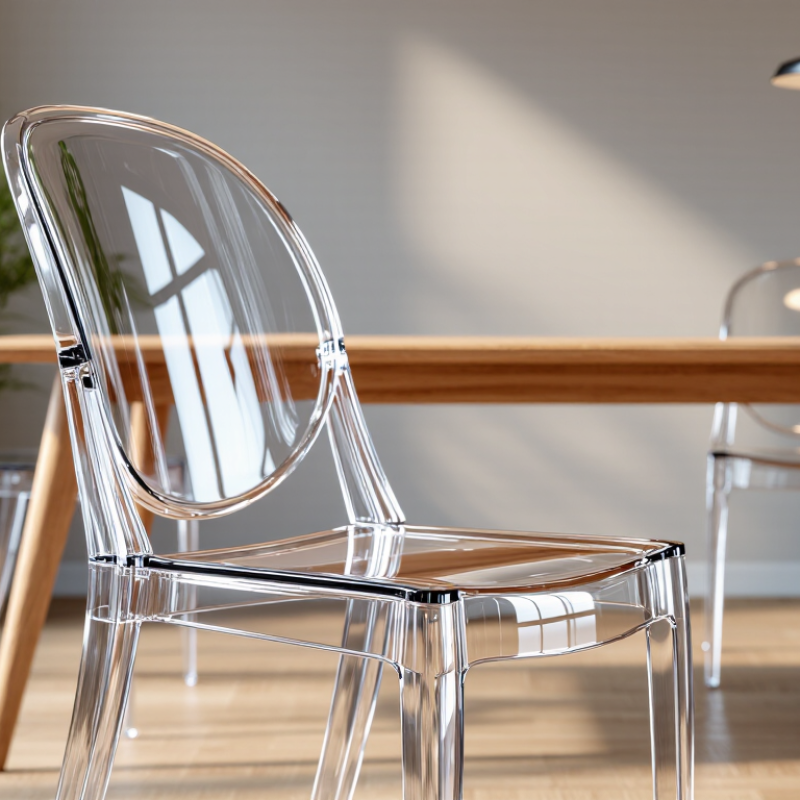
A clear chair can make a small dining area feel more open, but transparency does not guarantee comfort or quality. A Clear Acrylic Side Chair still needs stable legs, smooth edges, supportive proportions, and a seat that feels comfortable beyond a quick showroom test. Scratches show easily. So do fingerprints.

The choice also sits within a large furniture market. Grand View Research valued the global furniture market at approximately USD 677.09 billion in 2022 and projected growth through 2030. That broad figure covers many furniture types; it does not measure acrylic side chairs specifically. It offers context, not proof that one chair style is better. For a practical design principle, furniture designer Charles Eames said, “The details are not the details. They make the design.” His words fit acrylic seating particularly well: small flaws in finish or construction can be conspicuous against a transparent surface.

This guide presents seven checks for choosing a chair that looks light without feeling flimsy. It considers material clarity, frame construction, dimensions, comfort, stability, care, and value. Look closely at joints and edges, and compare the seat height with your table. A polished product photo can hide important details. The right choice depends on your room, routine, and tolerance for visible wear; even a beautiful chair may disappoint if it is uncomfortable after an hour.
7 Tips for Choosing a Clear Acrylic Side Chair

Understanding Clear Acrylic Side Chair Materials and Construction

A clear acrylic side chair is usually made from PMMA, a rigid thermoplastic, not glass. Typical PMMA sheet data lists a density near 1.18 g/cm³ and visible-light transmission around 92%; actual values vary by grade, thickness, and finish. ASTM D1003 provides a standard method for measuring light transmission and haze. That matters. A bright, transparent seat can still show scratches, cloudy edges, or stress marks under a lamp.

Construction affects strength as much as the material. A one-piece molded chair has fewer joints, while a chair assembled from flat panels depends on well-finished edges and secure connections. Check the underside for cracks around screws and inspect bends for whitening, which can signal stress. PlasticsEurope’s 2023 industry report estimated global plastics production at 400.3 million tonnes in 2022; that broad figure reflects the scale of plastic manufacturing, not the quality of any individual chair. Ask whether the maker specifies the acrylic grade, thickness, and care instructions. I would not judge durability by clarity alone. Acrylic can look sturdy and still scratch more easily than expected.


7 Tips for Choosing a Clear Acrylic Side Chair: Understanding Materials and Construction

Typical density values show that acrylic and polycarbonate are much lighter than soda-lime glass. When choosing a clear side chair, also check the material specification, thickness, molded or joined construction, edge finish, load rating, and care instructions. Values are representative and may vary by formulation.

Measuring Your Space and Choosing the Right Chair Size

A clear acrylic side chair can look visually weightless, but it still needs real floor space. NAHB’s analysis of U.S. Census Bureau data put the median size of a newly completed single-family home at 2,286 square feet in 2023. That broad figure does not describe every dining area, so measure your own room before choosing a chair. Mark the table’s footprint with painter’s tape, then allow roughly 24 inches of table edge per chair. Measure twice. Acrylic’s transparency can make a crowded arrangement seem lighter without making it easier to use.

Check the chair’s listed width, depth, and seat height, not just its product photo. Many dining chairs have seats about 17 to 19 inches high; compare the actual measurement with your table and its apron. Aim for roughly 10 to 12 inches between the seat and tabletop for comfortable legroom. Then pull a chair back as someone would when sitting down. A clearance of about 36 inches behind it is a useful planning target, though doors and walkways may require more. Small details matter. One easy mistake is measuring the chair but forgetting its legs, which can spread wider than the seat. Leave space for that—and check the dimensions again before ordering.

Evaluating Comfort, Stability, and Weight Capacity

A clear acrylic side chair can look light, but comfort depends on its shape and support. Check the seat depth, back angle, and edge finish. A narrow or sharply curved seat may feel fine for a few minutes, then become tiring. If possible, sit in the chair for ten minutes and notice pressure behind your knees. Small details matter.

Tip 1: Check stability on the floor where you plan to use it. Set the chair on a level surface and press gently on each seat corner. It should not rock or creak. Smooth flooring can make some feet slide, so inspect the contact points and consider suitable non-marking pads.

Tip 2: Read the stated weight capacity. Do not estimate it from the chair’s appearance or material alone. Capacity can vary with construction, joints, and intended use. Leave a margin rather than treating the maximum as a daily target.

Tip 3: Look closely at the legs and seat connections for cracks, loose fasteners, or uneven alignment. Acrylic can show scratches and stress marks more clearly than opaque materials. Keep expectations realistic: a transparent chair may suit a tidy room, but it will not hide wear. Recheck stability after moving it; I might forget that simple step, too.

Matching the Chair’s Style to Your Interior

A clear acrylic side chair can suit many interiors, but transparency does not make it visually neutral. Its shape, edges, and nearby materials still affect the room. Tip: Match the chair’s silhouette to your existing furniture. A curved seat feels relaxed beside a round table, while straight legs often echo clean-lined desks. In a small dining nook, a simple profile can keep the space feeling open. Check how it looks from the doorway, too.

For a warm interior, pair the chair with oak, woven textures, or soft-colored cushions. The contrast can feel inviting rather than cold. In a minimal room, let the chair’s outline repeat a detail already present, such as slim table legs or a geometric lamp. Tip: Choose one connection, not five. I’ve found that too many matching accents can make a room feel staged. That may not be your goal.

Consider the chair’s finish and proportions alongside the room’s light. A glossy surface catches window reflections, while a softer, frosted look can feel quieter. Compare a sample or the chair itself against your floor and table before deciding. Acrylic can appear almost invisible in one corner, then oddly prominent in another. Trust the room’s actual proportions, not just a product photo.

Checking Care Requirements and Overall Value

Care requirements can change the real cost of a clear acrylic side chair. Check the care instructions before buying, especially if the chair will sit near a sunny window or a busy dining table. A soft microfiber cloth and mild soapy water are usually safer than abrasive pads or solvent cleaners, which can scratch or cloud the surface. Follow the chair’s own guidance; acrylic finishes and construction can vary.

Tip: Ask whether replacement feet are available. Check the weight limit, too. Small details matter.

The U.S. EPA’s Advancing Sustainable Materials Management: 2018 Fact Sheet estimated that 12.1 million tons of furniture and furnishings entered the U.S. municipal waste stream that year. That figure covers many furniture types, not acrylic chairs alone, but it gives useful context: keeping furniture in service matters. Compare the purchase price with cleaning effort, expected use, and repair options. A chair that needs frequent polishing may be less convenient than it looks. I would not treat “easy to clean” as a promise; fingerprints show quickly on clear surfaces, especially beside a bright window. If possible, inspect a sample under the lighting in your home before deciding.

7 Tips for Choosing a Clear Acrylic Side Chair — Checking Care Requirements and Overall Value
Tip What to Check Why It Matters Value Check
1. Confirm the material Check whether the chair is made from acrylic, polycarbonate, or another clear plastic, and review the product specifications. Different plastics can vary in impact resistance, flexibility, scratch behavior, and price. Compare material details alongside the price rather than relying on appearance alone.
2. Check dimensions and fit Measure seat height, seat width and depth, overall height, and the available floor space. A chair should fit the table and leave enough room to sit down and move around comfortably. Compare the listed measurements with your table and room, not just with product photos.
3. Review the stated weight capacity Look for a clearly stated maximum user weight and any use or assembly conditions provided by the seller. A published rating helps you judge whether the chair is suitable for its intended users and everyday use. Treat missing capacity information as a reason to request details before buying.
4. Inspect construction and stability Check for even leg contact, secure joints, smooth edges, and clear instructions for assembly, if required. Loose connections or uneven contact can affect stability and may lead to wear or damage. Review close-up photos, assembly information, and return terms before purchase.
5. Check cleaning instructions Look for care guidance; a mild soap solution and a soft, non-abrasive cloth are commonly suitable for routine cleaning. Abrasive pads and harsh or solvent-based cleaners may scratch or damage some clear plastics. Follow the specific care instructions. Consider whether the recommended care is practical for your household and how often the chair will be used.
6. Consider scratches and sunlight Ask about scratch-care guidance and whether the product is intended for indoor use or prolonged sun exposure. Visible scratches can affect a clear finish, and long-term UV exposure may discolor some plastics. For bright or sunny rooms, check any UV-related claims and avoid assuming all clear plastics age the same way.
7. Compare total ownership value Compare price, delivery charges, warranty terms, return policy, care needs, and replacement-part availability where applicable. The lowest purchase price may not be the best value if shipping, returns, or upkeep are inconvenient or costly. Choose the option whose documented quality, support, and care requirements best match your budget and intended use.