How to Choose WPC Panels for Your Exterior Projects?
The choice of WPC Panels Exterior for outdoor projects is increasingly popular among homeowners and builders. According to a recent report by MarketsandMarkets, the global WPC market is projected to reach $9.5 billion by 2025. This rapid growth reflects a shift towards sustainable, low-maintenance building materials. WPC panels offer durability against weather and UV exposure, making them ideal for exterior applications.
However, choosing the right WPC panels requires careful consideration. Factors like wood-plastic ratio, color options, and surface texture all influence the performance and aesthetics of your project. Research from the Wood Products Council shows that 70% of consumers prioritize durability and sustainability in their building material choices. Understanding these aspects can lead to better project outcomes.
Nevertheless, some missteps can occur. Many underestimate the importance of installation methods, which can significantly affect the longevity of WPC panels. It’s crucial to consult with industry experts or assess guidelines for best practices. By keeping these details in mind, one can make informed choices that enhance the beauty and resilience of exterior spaces.
Understanding WPC Panels and Their Benefits
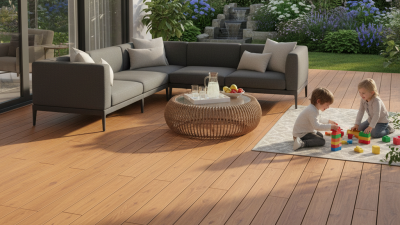
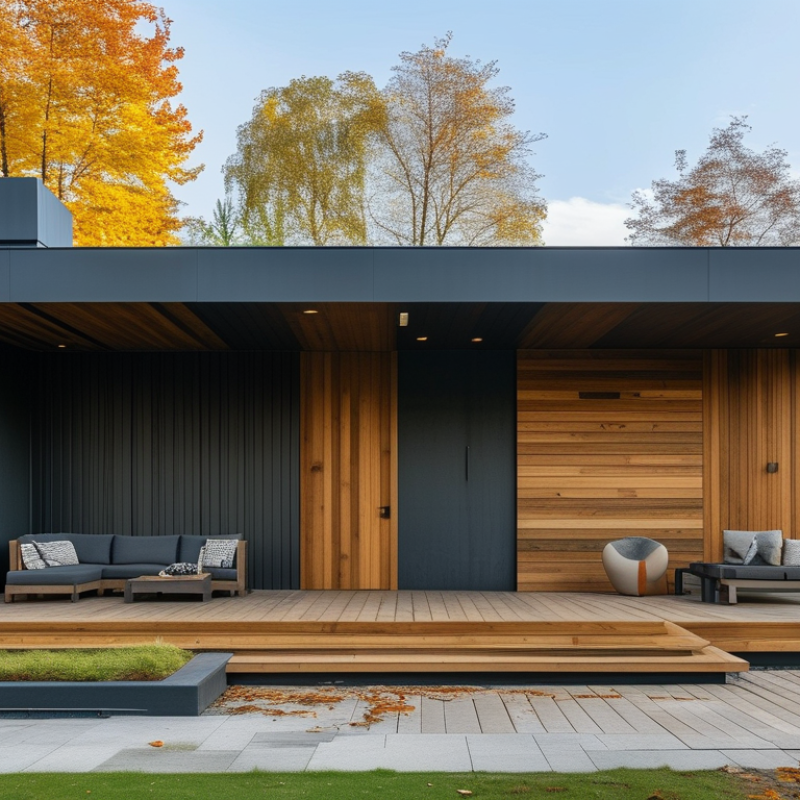
WPC panels, or Wood-Plastic Composites, offer a modern solution for various exterior projects. Their composition combines wood fibers and recycled plastic, offering durability and eco-friendliness. Many homeowners choose WPC panels for decks and fences, enjoying both aesthetic appeal and functionality. Unlike traditional wood, WPC doesn’t splinter. This feature makes it safer for families with children or pets.
The benefits extend beyond safety. WPC panels are resistant to rot and insect damage, which can save money in the long run. However, some users note color fading over time. When selecting panels, it's crucial to consider quality. Researching material properties is essential. Not all WPC panels are created equal; some may lack the strength needed for harsh weather conditions.
WPC panels also allow for versatility in design. They come in various colors and textures. Homeowners can create unique looks tailored to their preferences. Yet, it's important to remember the installation process can be challenging without the right tools and skills. Understanding the benefits and potential downsides of WPC panels can lead to a more informed decision for outdoor projects.
Factors to Consider When Choosing WPC Panels
When selecting WPC (Wood Plastic Composite) panels for exterior projects, several factors demand careful consideration. Evaluate the material's durability, especially against weather conditions. High moisture and UV exposure can degrade some WPC panels faster than others. Look for products with a strong resistance to warping and fading. These traits will ensure your investment withstands the test of time.
In addition to durability, aesthetics are essential. Decide on colors and finishes that align with your design vision. Consider how the panels will blend with existing structures. Seeking panels that mimic natural wood can often enhance the visual appeal. Think about maintenance as well. Some WPC panels require regular cleaning, while others may need sealing. Understanding your commitment to upkeep will influence your long-term satisfaction.
Don't overlook safety features. Many panels offer slip resistance, critical for pool or deck areas. Investigate if the product has certifications for environmental safety and fire resistance. Such features add a layer of assurance, ensuring the materials you choose meet local regulations. Always consult with experts or read comprehensive reviews. Knowledge empowers you to make informed decisions.
Evaluating Different Types of WPC Panels Available
When evaluating different types of WPC panels for exterior projects, it’s crucial to consider various factors. Start by examining the material composition. WPC, or Wood-Plastic Composite, is typically made from a mix of wood fibers and plastic. Understanding this blend impacts durability and aesthetic appeal. For instance, panels with higher wood content can offer a more natural look, while those with more plastic may provide greater resistance to weathering.
Assess the texture and finish options available. Some panels feature a smooth finish, while others offer a textured surface that mimics wood grain. Textured panels may provide better slip resistance, ideal for poolside areas. Additionally, consider color options. Many WPC panels come in a range of colors, allowing customization for your design.
Weigh the different types of warranties offered by manufacturers. A comprehensive warranty can reflect the quality. However, be cautious; a long warranty doesn’t always guarantee longevity. Investigating user reviews can provide insights into real-world performance. Take note of factors like fading, warping, and maintenance needs. Choosing the right WPC panel requires careful consideration of these elements to ensure a successful project.
How to Choose WPC Panels for Your Exterior Projects? - Evaluating Different Types of WPC Panels Available
| Type of WPC Panel |
Material Composition |
Durability (Years) |
Maintenance Level |
Cost per Square Foot |
| Hollow Core WPC |
Wood Fiber + Recycled Plastic |
10-15 |
Low |
$3 - $5 |
| Solid WPC |
Wood Fiber + Recycled Plastic |
15-25 |
Medium |
$5 - $8 |
| Co-extruded WPC |
Wood Fiber + Recycled Plastic + Protective Coating |
25-30 |
Very Low |
$8 - $12 |
| Plastic Composite WPC |
Recycled Plastic + Additives |
20-30 |
Low |
$4 - $7 |
Installation Tips for WPC Panels in Outdoor Spaces
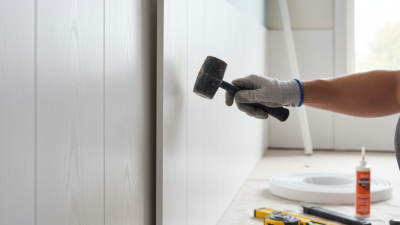
When installing WPC panels in outdoor spaces, attention to detail is crucial. Start with a proper substructure. Ensure it is level and sturdy. A report from the American Wood Council highlights that a stable foundation reduces the risk of sagging by up to 40%. This is vital for long-term performance and aesthetics.
Proper spacing between panels is another key consideration. The installation guidelines suggest a gap of about 1/8 inch to allow for expansion and contraction. In humid climates, the need for adequate drainage is also critical. Water accumulation can warp the panels if not managed. According to industry studies, nearly 30% of WPC panel issues stem from improper water management.
Choosing the right fasteners is equally important. Stainless steel or coated screws can enhance durability. However, over-driving screws can damage the panels. Many experienced installers recommend a slow, steady hand while securing them. Regular inspections post-installation can reveal problems early, allowing for timely repairs. This proactive approach improves the longevity of your outdoor projects.
Maintenance Guidelines for Longevity of WPC Panels
Maintaining WPC panels is essential for their longevity and overall appearance. These panels, made from wood-plastic composites, require specific care to prevent wear and damage. Regular cleaning is a must. Use a mild detergent and water to remove dirt and debris. Avoid harsh chemicals that can degrade the panel's surface. This simple step helps maintain their color and texture.
Inspecting your WPC panels regularly can uncover potential issues before they escalate. Look for signs of warping or discoloration. If you notice any damage, address it promptly. This proactive approach can save you from costly replacements. Consider applying a protective sealant every few years. It can enhance durability and resistance to fading.
Despite their resilience, WPC panels aren’t completely maintenance-free. Weather conditions can impact their performance. In regions with heavy rainfall or intense sunlight, observe how the panels withstand these elements. Reflect on your local climate when installing WPC panels. Choosing the right location and finish can greatly affect their lifespan.