What is a Folding Bed And Chair and How Does It Work?
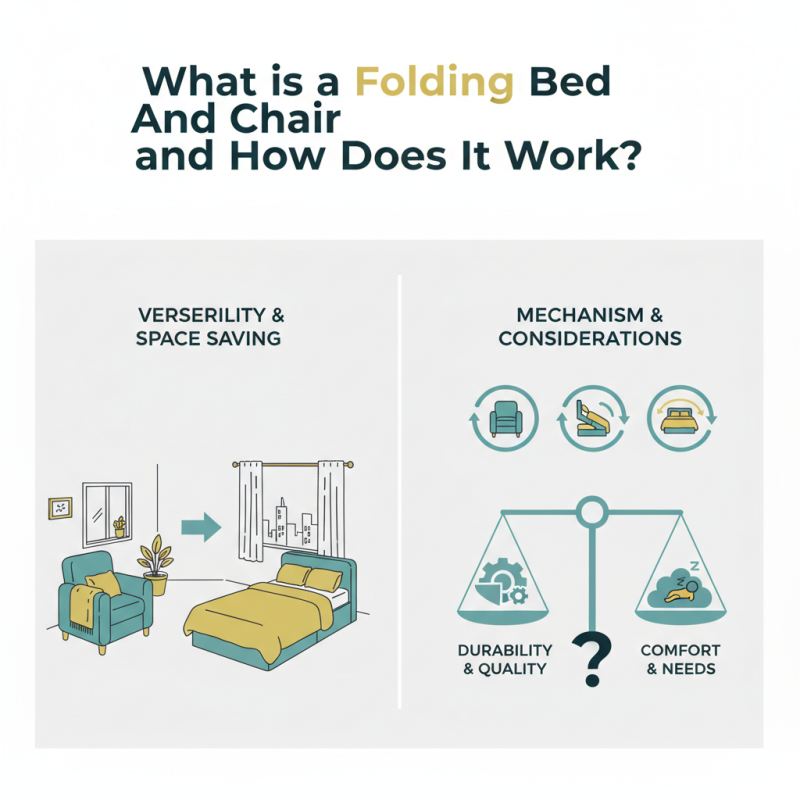
A folding bed and chair is a versatile piece of furniture that caters to various needs. It's perfect for small spaces or unexpected guests. Imagine transforming your living room into a guest bedroom in mere seconds. This flexibility makes the folding bed and chair an essential for city dwellers with limited space.
How does it work? The design allows easy folding and unfolding. You can use it as a chair during the day and convert it into a bed at night. However, not all models are created equal. Some may lack durability or comfort. It's important to consider the quality before purchasing.
In today's fast-paced world, the folding bed and chair is a practical solution. Still, understanding its limitations can lead to better choices. Reflecting on your needs will ensure you find the right option for your living space. Consider the balance between functionality and comfort for the best experience.
What is a Folding Bed and Chair? Definition and Overview
A folding bed and chair are versatile furniture pieces designed for practicality and convenience. These items are compact and can be easily stored when not in use. You can unfold them for sleeping or seating. This makes them perfect for small spaces. People often use them in guest rooms, offices, or even camping trips.
When choosing a folding bed and chair, consider comfort. A bed should support a good night's sleep, while a chair should allow for relaxation. Many options lack proper cushioning, making usage uncomfortable. Look for models that balance convenience with comfort to avoid discomfort later.
**Tips:** Always test the folding mechanism before purchasing. Ensure it operates smoothly. Check the material for durability. A cheap model might wear out quickly. Also, think about how they match your decor. A mismatched design can be visually jarring in your space.
Folding Bed and Chair Usage Statistics
The Mechanics of Folding Beds and Chairs: How They Operate
Folding beds and chairs have gained popularity for their space-saving design and multifunctionality. They provide convenience in compact living spaces. Their mechanics are fascinating; they often employ hinges and locking mechanisms. These parts enable smooth folding and unfolding operations.
Research shows that the global folding furniture market is worth over $7 billion and is expected to grow by about 5% annually. This growth indicates a clear demand for practical furniture solutions. The design must prioritize durability while remaining lightweight. Many folding beds utilize steel or aluminum frames, ensuring sturdiness without excessive weight.
Tips: When selecting a folding bed or chair, check the locking mechanism. Ensure it is robust and easy to operate. Foldable designs often require user engagement; improper handling can lead to wear and tear. Always inspect for quality before purchase.
Materials Used in Folding Beds and Chairs: A Comparative Analysis
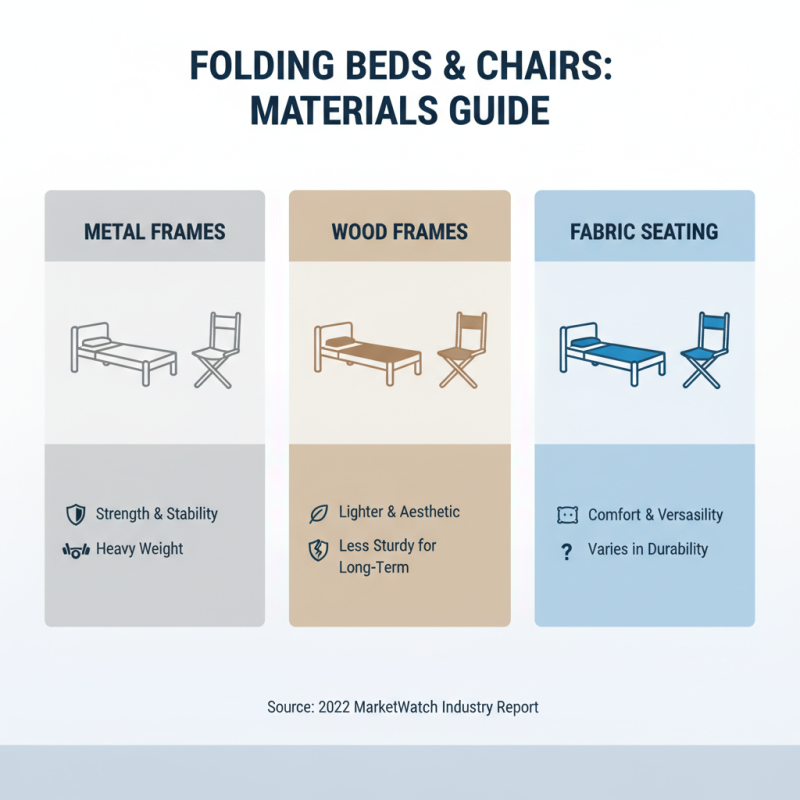
Folding beds and chairs come in various materials, affecting durability and comfort. Metal, wood, and fabric are the most common choices. According to a 2022 industry report by MarketWatch, metal frames offer strength but can be heavy. They provide stability which is essential for regular use. Meanwhile, wood frames are often lighter and add aesthetic appeal. However, they can lack the sturdiness needed for long-term seating.
Fabric is another vital component. It can enhance comfort but may deteriorate over time. A report from Grand View Research indicates that polyester blends are increasingly popular due to their durability and ease of cleaning. On the other hand, natural fibers like cotton or linen can provide breathability but can be prone to stains and wear. Buyers must weigh these factors carefully.
Also, consider how these materials impact assembly. Metal frames might require specific tools, while wooden versions often come pre-assembled. Not all owners want to grapple with complicated settings. Simplicity can be a significant selling point. Yet, affordable folding options may compromise on material quality, raising questions about longevity and support. It’s important to explore these details to avoid potential disappointment.
Market Trends and Statistics in Folding Furniture Industry
The folding furniture industry has seen significant growth in recent years. More people are appreciating the versatility it offers. Folding beds and chairs are popular choices in small living spaces. They allow for efficient use of space without sacrificing comfort. These products are ideal for apartments, dorm rooms, or guest accommodations. A folding bed can transform a tiny room into a multi-functional area.
Market trends show a rise in demand, especially in urban environments. Many consumers prefer lightweight and portable designs. The focus now is on practicality combined with aesthetics. Eco-friendly materials are also gaining traction. However, consistency in quality remains a challenge. Not all folding furniture meets durability standards. Manufacturers must ensure that collapsible features do not compromise structural integrity.
Statistical data highlights this industry's expansion. Projections indicate a steady increase in sales. Online platforms have made purchasing easier. Yet, buyers sometimes overlook user reviews. Positive feedback is essential for making informed choices. Customers often regret their decisions due to lack of research. The folding furniture sector must address these concerns moving forward.
What is a Folding Bed And Chair and How Does It Work? - Market Trends and Statistics in Folding Furniture Industry
| Dimension |
Folding Beds (Units) |
Folding Chairs (Units) |
Market Size ($ Million) |
Growth Rate (%) |
| 2020 |
1,200,000 |
2,500,000 |
150 |
5.0 |
| 2021 |
1,350,000 |
2,700,000 |
160 |
6.0 |
| 2022 |
1,500,000 |
2,900,000 |
175 |
7.5 |
| 2023 |
1,600,000 |
3,000,000 |
190 |
8.0 |
Benefits and Drawbacks of Folding Beds and Chairs for Users
Folding beds and chairs offer great convenience for many users. They are versatile and easy to store. When you need extra sleeping space or seating, these items can be incredibly helpful. You simply unfold them, and they’re ready to use. However, their usability often comes with some trade-offs.
One significant benefit is space-saving. Small apartments or rooms with limited space can greatly benefit from these furniture pieces. They can be collapsed and tucked away when not in use, leaving more room for daily activities. But the comfort level can vary. Some folding options might not provide the same support as traditional beds or chairs. This inconsistency can be disappointing for users seeking a good night's sleep.
Durability is another aspect to consider. Many folding beds and chairs are made with lightweight materials to enhance portability. Unfortunately, this often means they are less robust than their standard counterparts. Users might need to reflect on how frequently they will use these items. Frequent use could lead to quicker wear and tear, making them less cost-effective in the long run.