Top 10 Tips for Choosing the Perfect Banquet Chair?
Choosing the right banquet chair can significantly impact any event. The right chair provides comfort and elegance. It's essential to consider various factors that influence your choice. The size, style, and color of a banquet chair are crucial.
Pay attention to the material used. Wood, metal, or upholstered options can shape the atmosphere. A well-chosen banquet chair complements your theme. Comfort is important, too. Guests will enjoy sitting longer if chairs are comfortable.
However, many overlook practicalities. The right chair must also be easy to move and store. Reflect on your venue's space. A good banquet chair should fit perfectly without overcrowding. Make sure it’s stackable or foldable if needed. Small details matter in decision-making. Ultimately, the perfect banquet chair enhances both function and aesthetics at your event.
Factors to Consider When Selecting Banquet Chairs for Events
When selecting banquet chairs for events, comfort is paramount. According to a recent industry report, 75% of attendees rated seating comfort as a key factor in their overall event experience. Cushioned seats with ergonomic designs enhance guest satisfaction and encourage engagement during long hours of dining or presentations. Choosing chairs that provide adequate support could prevent discomfort and distractions during important moments.
Another critical consideration is the chair style and aesthetic. The right design can elevate the event's ambiance. Research shows that over 60% of event planners believe aesthetics influence attendees' perceptions of the event. Metal, wood, and plastic frames offer varied looks. However, while sleek styles might be trendy, they do not always guarantee comfort. Many planners overlook how colors and textures combine with decor themes. This mismatch can leave a disjointed feeling at events.
Durability is often underestimated. Banquet chairs should withstand repeated use and transport. Reports indicate that nearly 40% of chairs fail within the first two years, compromising safety and aesthetic. Investing in high-quality materials may seem costly initially, but it can save expenses in the long run. It is vital to consider how the chairs will be used, cleaned, and stored. This deeper thinking can reveal flaws in selection processes that can lead to costly mistakes.
Top 10 Tips for Choosing the Perfect Banquet Chair
Understanding Different Types of Banquet Chairs and Their Uses
When selecting banquet chairs, understanding the different types available is crucial. Commonly used chairs include folding chairs, banquet chairs, and Chiavari chairs. Each type has unique features and uses. For instance, folding chairs are lightweight and easy to store. They are great for outdoor events but may lack comfort for long periods.
On the other hand, banquet chairs offer more comfort and style. They often feature padded seats and backs, enhancing guests' experiences. Data shows that 72% of event planners prioritize comfort when choosing seating. Chiavari chairs are popular for upscale events. They add elegance to any banquet setting. However, their cost can be a concern.
Some chairs may look appealing but compromise functionality. Stability, weight capacity, and ease of stacking are often overlooked. A recent industry report indicated that 30% of event organizers faced issues with chair durability. Identifying the right chair type based on the event type can greatly affect the overall experience. Balancing aesthetics and practicality is key.
Evaluating the Comfort Level of Banquet Chairs for Guests
When selecting banquet chairs, comfort is essential. Guests will spend hours seated during events. Uncomfortable chairs can ruin their experience. Consider the design of the chair. A well-padded seat can make a big difference. Test the cushioning with your hands. Is it soft enough? What about the backrest? An ergonomic design is always a plus. It supports the lower back well and encourages good posture.
Material choice is also crucial. Fabric should be breathable, especially in warm settings. Wooden chairs can be stylish but may not offer the same comfort. Some may look great but neglect guest needs. How about armrests? They can enhance comfort but sometimes restrict movement. Look for chairs that balance aesthetics and functionality, ensuring they sit well within the venue's theme.
Ultimately, the chair needs to invite guests to sit and enjoy. It should not be an afterthought. Pay attention to details like chair height and weight. A chair that's too low may cause discomfort, while one that feels heavy can be off-putting. Take the time to gather opinions from potential users to ensure the perfect blend of comfort and style.
Assessing the Style and Aesthetic of Banquet Chairs for Your Venue
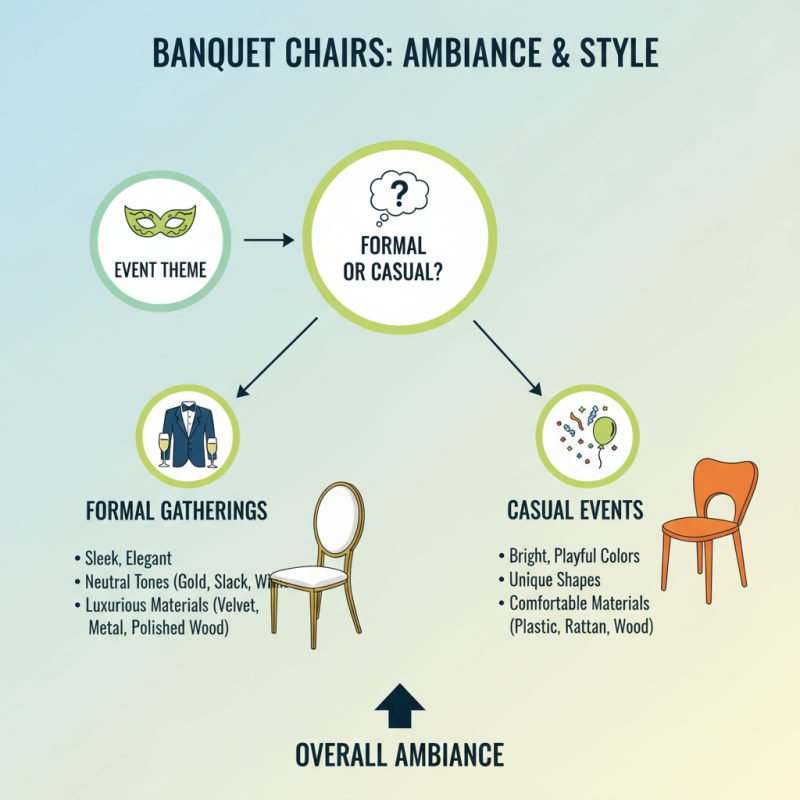
When choosing banquet chairs, the style and aesthetic are fundamental to the overall ambiance of your venue. Consider the theme of your event. Is it formal or casual? This decision impacts the choice of materials, colors, and designs. For formal gatherings, sleek, elegant chairs in neutral tones often work best. Casual events may benefit from bright, playful colors or unique shapes.
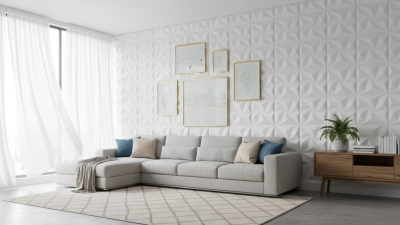
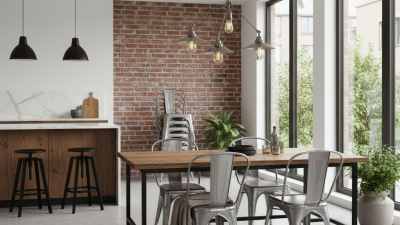
Pay attention to the venue’s existing decor. A mismatch can disrupt the flow of the space. For example, modern decor calls for contemporary chair designs. In contrast, vintage venues might shine with classic, ornate pieces. Think about the seating arrangement, too. Will the chairs allow for easy movement and flow? Practicality matters. You might love a chair's look, but if it’s difficult to maneuver, it can become frustrating.
Also, do not overlook comfort. Chairs that look great but lack support can leave guests uncomfortable. Test chairs whenever possible. Are they too low or too high? Sometimes, the perfect looking chair isn’t perfect after all. Reflect on these details carefully. Balancing style, comfort, and functionality is key to creating a successful atmosphere.
Budgeting and Cost Considerations for Purchasing Banquet Chairs
When it comes to purchasing banquet chairs, budgeting is essential. Decide how much you can invest without straining your finances. Ideally, set a range that includes both the price of the chairs and extra costs like delivery and assembly. Don’t overlook these added expenses, as they can multiply your budget significantly.
Consider the materials and styles that fit your needs. High-quality chairs may have a higher upfront cost but can save money long-term. Cheaper options might need frequent replacements. Look for sales or discounts when possible. However, be cautious. Sometimes, low prices indicate poor quality. Read reviews to ensure you make a wise choice.
Reflection can help refine your criteria. What worked last time? What did not? If you have hosted events before, think back to the chair comfort and durability. Guests may not remember the decor, but they will recall their seating experience. Their satisfaction impacts your event's success. Balancing cost with quality requires thoughtful consideration.
Top 10 Tips for Choosing the Perfect Banquet Chair
| Tip Number |
Tip |
Cost Consideration |
Material Options |
Weight Capacity |
| 1 |
Consider the event type |
Higher costs for formal settings |
Wood, Metal, Plastic |
Up to 250 lbs |
| 2 |
Check comfort level |
Investment in ergonomic designs |
Cushioned, Non-cushioned |
Up to 300 lbs |
| 3 |
Evaluate stacking and storage |
Additional storage costs |
Stackable, Foldable |
Up to 250 lbs |
| 4 |
Choose the right style |
Design impacts pricing |
Classic, Modern, Rustic |
Up to 350 lbs |
| 5 |
Assess durability |
Premium materials cost more |
Wood, Plastic, Metal frames |
Up to 450 lbs |
| 6 |
Consider color options |
Custom colors may incur fees |
Various fabric and finishes |
Up to 400 lbs |
| 7 |
Understand delivery costs |
Shipping fees vary by distance |
Boxed, Assembled |
Up to 300 lbs |
| 8 |
Check warranty options |
Longer warranties add to cost |
Various options based on materials |
Up to 350 lbs |
| 9 |
Read customer reviews |
Better-rated chairs may cost more |
Varied based on popularity |
Up to 400 lbs |
| 10 |
Look for bulk discounts |
Cost-effective for large orders |
Numerous models available |
Varies based on model |