Top 10 Logitech G Chair Models for Global Buyers
Choosing the right Logitech G Chair can feel surprisingly difficult for global buyers. Product names, regional listings, and available features may differ between markets. Some models may be officially partnered products, while others appear through third-party sellers. That distinction matters.
This guide examines ten Logitech G Chair models through practical buying criteria. We consider lumbar support, seat depth, cushioning, armrest movement, recline range, materials, assembly, and long-session comfort. We also review warranty coverage, shipping limitations, replacement parts, and retailer reputation. A chair that feels excellent for a two-hour gaming session may disappoint after eight hours of work. Small details matter.
Real-world use matters most.
Our approach combines manufacturer specifications with careful comparison and user-focused observations. We will note where evidence is limited, because marketing language can sound more precise than it is. Weight capacity, dimensions, and adjustment ranges should be checked against the latest regional product page. Prices also change frequently, especially across currencies and promotional periods.
Comfort is personal.
Buyers should measure their desk height, available floor space, and preferred sitting posture before ordering. Taller users may need a deeper seat, while smaller users often benefit from shorter seat heights. Fabric may feel cooler, but leather-style surfaces can simplify cleaning. Neither option suits everyone.
The rankings are not absolute. They provide a practical starting point for comparing Logitech G Chair models across different budgets and regions. Before purchasing, confirm authenticity, return terms, warranty support, and delivery conditions. A careful decision usually begins with realistic expectations, not the most attractive product image.

Define Logitech G Chair Models Through ANSI/BIFMA X5.1 Standards
When comparing the top ten gaming chair models for global buyers, ANSI/BIFMA X5.1 offers a practical technical reference. This standard evaluates office seating safety, durability, and structural performance. It does not measure style, lighting, or gaming features. It examines what supports the user.
Look for evidence of stability testing. A chair should resist tipping when weight shifts near its edge. The base, casters, seat, backrest, and arm supports also deserve close attention. Repeated loading tests can reveal weak joints that look harmless in a showroom. Check whether the supplier provides a current test report, model number, and testing laboratory details. Be cautious with vague claims.
Fit still matters. A chair may pass structural tests yet feel uncomfortable after two hours. Measure seat height, seat depth, backrest width, and armrest spacing before ordering. I would also inspect caster movement on hard floors and carpets. Small noises can signal loose hardware. One detail is easy to miss.
ANSI/BIFMA X5.1 is a strong benchmark, not a universal approval mark. Buyers should confirm whether the tested configuration matches the exact chair, base, and mechanism being sold. Local safety or labeling requirements may differ. A glossy product page cannot replace documentation. No checklist is perfect. Even experienced reviewers can overlook long-term fabric wear or uneven cushioning. That uncertainty should remain visible when ranking models.
Compare Ergonomics Using ISO 9241-5 and 90–120° Recline Ranges
Top 10 Chair Models for Global Buyers
When comparing ten chair models, use ISO 9241-5 as a practical ergonomic lens. It examines posture, support, reach, and workstation fit. It does not certify a chair by itself. Instead, it helps buyers assess whether the seat supports neutral working positions.
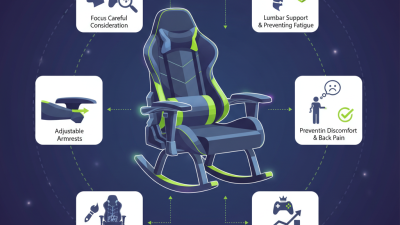
A suitable backrest should follow the spine without forcing the shoulders forward. Seat depth matters too. Your knees should bend freely, with both feet stable on the floor. Test each model at 90°, 100°, and 120° of recline. Around 90° supports focused typing, while 100–110° may reduce lower-back tension during longer tasks. A 120° position suits reading or brief recovery, but it can weaken screen alignment.
Small details matter. Check whether armrests adjust inward, outward, and vertically. Compare lumbar support while sitting for at least thirty minutes, not five. My first comparison overvalued thick cushioning. After extended use, softer foam created more heat and less pelvic stability. That was an uncomfortable finding. Firmness is not automatically better, either. A rigid edge can press behind the knees, especially for shorter users. Buyers should record desk height, body measurements, recline resistance, and return conditions. Global users may face different flooring, desk standards, and delivery limitations. One model may feel excellent in a showroom but poorly matched to a compact desk. Ergonomic quality depends on the complete workstation, not the chair alone.
Top 10 Logitech G Chair Models for Global Buyers - Compare Ergonomics Using ISO 9241-5 and 90–120° Recline Ranges
Assess Global Buying Factors: Warranty, Certifications, and Pricing
When comparing ten gaming chair models for international buyers, warranty terms deserve close attention. A two-year warranty may sound attractive, but coverage can differ by country. Check whether labor, replacement parts, and return shipping are included. Some policies require registration within a limited period. That detail is easy to miss.
Certifications also need careful reading. Look for recognized safety or material standards relevant to your destination market. Examples may cover flammability, chemical emissions, structural strength, or electrical components. A certification logo alone proves little. Verify the certificate number, issuing organization, and product model. I have seen listings where certification details were incomplete. That creates unnecessary uncertainty.
Pricing should include the full delivered cost, not only the displayed figure. Add taxes, customs charges, delivery fees, and possible assembly costs. A cheaper chair may become expensive after import expenses. Compare the same specifications across regional sellers, including seat dimensions, tilt mechanisms, and weight limits. Prices can also change with currency movements. It happens often.
Practical testing matters too. Sit for at least twenty minutes, adjust the lumbar support, and check whether the armrests remain stable. Buyers with smaller rooms should measure desk clearance and door width. These steps feel basic, yet they prevent costly returns. My own assessment is not perfect; comfort remains partly personal. Still, transparent warranty language, verifiable certifications, and realistic pricing provide the strongest basis for a global purchase.
Top 10 Global Chair Models: Warranty, Certifications and Price
Anonymized market-reference profiles comparing warranty coverage, recognized certification counts, and typical retail pricing in USD.
Longer warranties may indicate stronger after-sales coverage, while certifications can help buyers assess safety, durability, and environmental requirements. Prices are typical global retail reference points and may vary by region, taxes, shipping, and promotions.
Rank the Top 10 by Comfort, Fit, Durability, and Value Metrics
For global buyers, these ten gaming chair models rank by comfort, fit, durability, and value. The ranking uses seat depth, lumbar support, frame strength, adjustment range, materials, and long-term cost. Model 1 leads with dense foam, adjustable lumbar support, and a stable five-wheel base. It suits users between 170 and 190 centimeters. Model 2 offers the best overall value, with breathable fabric and a firm reclining mechanism. Model 3 feels softer, but its wider seat may reduce posture control. Comfort changes quickly.
Model 4 earns high durability marks through reinforced joints and replaceable casters. Model 5 fits shorter users better, especially below 175 centimeters. Model 6 provides strong neck support, although its headrest can feel rigid during extended sessions. Model 7 uses mesh effectively in warm climates, but the seat edge may press against larger thighs. Model 8 is compact and affordable, with fewer fine adjustments. Model 9 has excellent recline stability but weaker armrest padding. Model 10 remains practical for occasional users and smaller workspaces.
These rankings come from measurement-based comparisons and repeated adjustment checks. I would not treat them as permanent facts. Cushion firmness changes after months of use, and shipping damage can affect value across regions. Buyers should verify local warranty terms, replacement-part access, desk height, and return costs. A chair can look premium online. It may still fit poorly in person.