Top 5 PVC Wall Board Installation Tips for a Durable Finish?
When it comes to home improvement, PVC wall board installation offers a practical solution. Many homeowners choose PVC walls for their durability and aesthetic appeal. However, achieving a perfect finish requires careful planning and execution.
This article highlights essential tips for effective PVC wall board installation. These insights stem from both successes and setbacks experienced by DIYers and professionals alike. It’s common to encounter challenges during the process. Misalignments or improper cutting can lead to frustration. Reflection on these experiences can aid in future projects.
By paying attention to detail, your installation can be smoother. Every step matters, from preparation to the final touches. Let’s explore the top tips that ensure your PVC wall board installation stands the test of time.
Choosing the Right Type of PVC Wall Board for Your Project
Choosing the right type of PVC wall board is crucial for a successful installation. It’s essential to consider factors like material thickness, texture, and intended use. Thicker boards generally offer more durability. Textured boards can add aesthetic appeal but may require more effort during installation. Think about where you plan to use them. High-moisture areas may need specialized boards.
It’s easy to overlook these details in the excitement of a project. Yet, the wrong choice can lead to future issues. If boards are too thin, they may warp over time. Selecting a style that doesn't match your decor can ruin the room’s vibe. Take time to reflect on your options. Weigh the pros and cons of each type. Don’t rush the decision; it can save you headaches later.
Top 5 PVC Wall Board Installation Tips for a Durable Finish
| Tip Number |
Tip Description |
Reason for Effectiveness |
| 1 |
Choose the Right Thickness |
Thicker boards offer better durability and resistance to impacts. |
| 2 |
Use Quality Adhesive |
High-quality adhesive ensures strong bonding and reduces the risk of peeling. |
| 3 |
Ensure Proper Surface Preparation |
Clean, flat surfaces improve adhesion and finish quality. |
| 4 |
Allow for Expansion and Contraction |
Gaps for movement help prevent warping or buckling due to temperature changes. |
| 5 |
Finish with Sealant |
A good sealant protects edges and seams from moisture damage. |
Essential Tools and Materials for Installing PVC Wall Boards
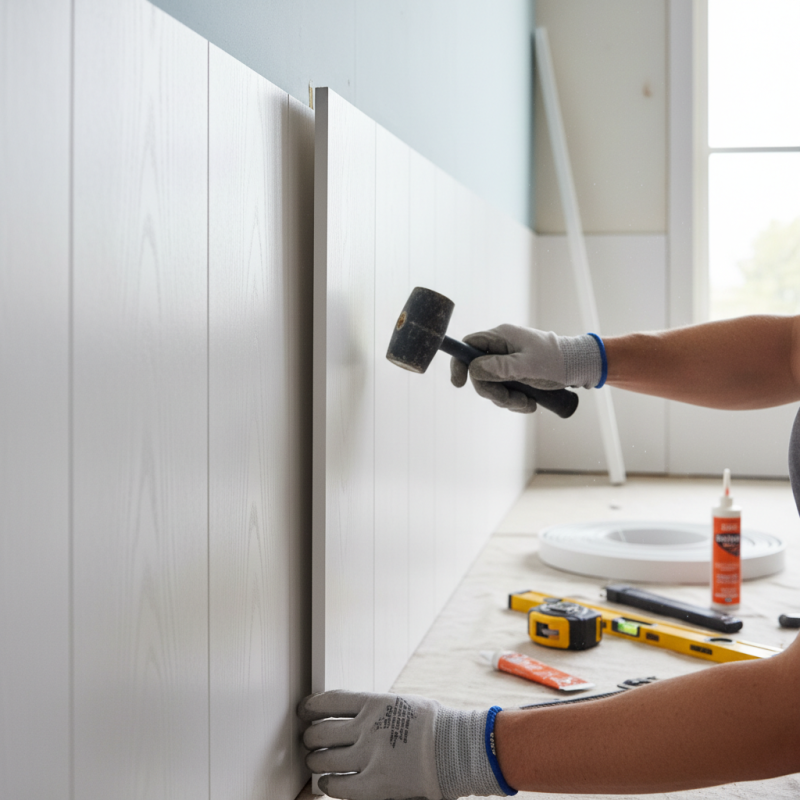
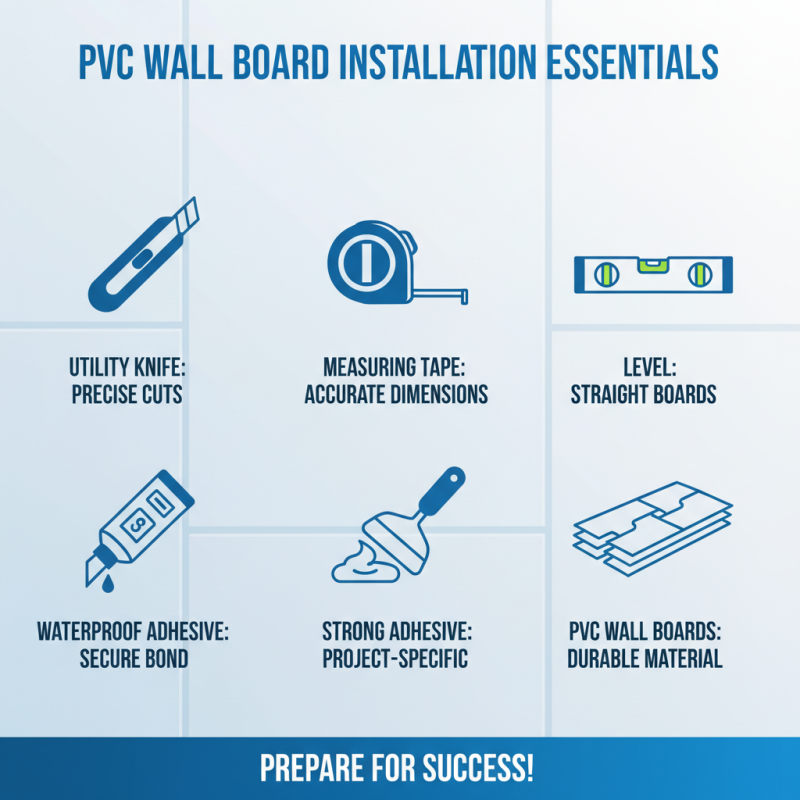
When installing PVC wall boards, having the right tools and materials is crucial. Begin with a quality utility knife for precise cuts. A measuring tape will help you get accurate dimensions. Don’t forget a level to ensure your boards are straight. Waterproof adhesive is essential for a secure bond. Try to choose a strong adhesive that fits your project needs.
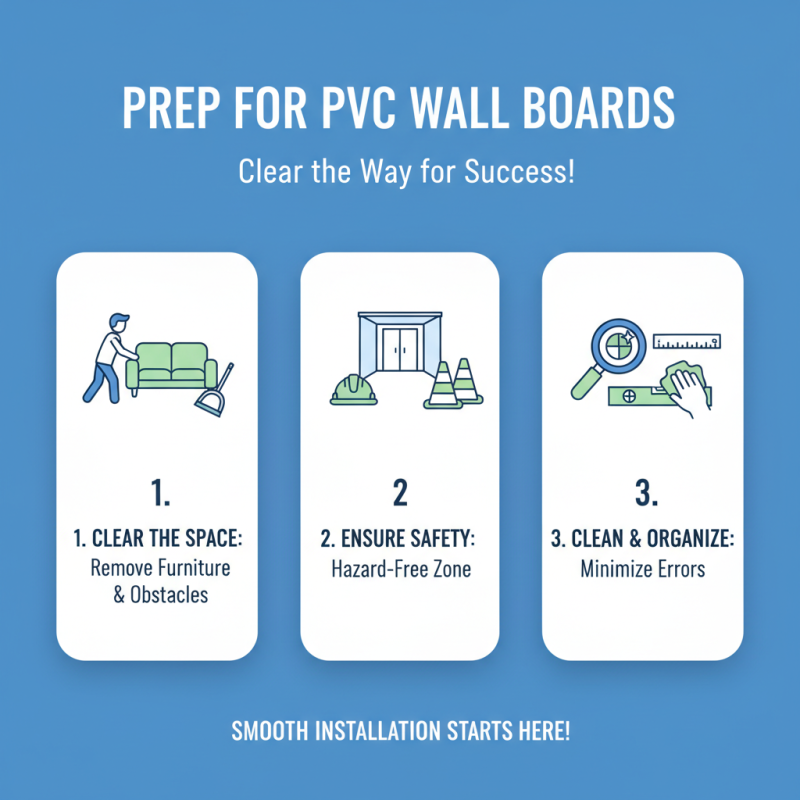
In addition to these basics, a good pair of safety goggles is recommended. They keep your eyes protected from dust and debris. You might need a caulk gun for smooth finishes. Also, consider using a trowel to spread adhesive evenly. While all these tools are important, having them organized can save time and effort. Messy workspaces can lead to delays, so plan ahead.
You may find yourself struggling with alignment at times. It’s easy to make mistakes when positioning. Taking your time can prevent those errors. Keep a cloth handy to clean any excess adhesive quickly. Rushing often leads to disappointment. Remember, investing time in setup pays off in the end.
Step-by-Step Installation Process for PVC Wall Boards
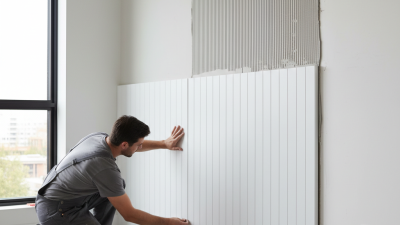
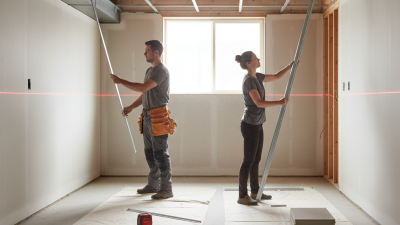
When installing PVC wall boards, preparation is key. Start by measuring the wall space accurately. Use a level to ensure that your measurements are straight. Cut the boards to fit your specific dimensions. It's essential that seams are snug. Gaps can compromise durability.
Consider using adhesive or fasteners to secure the boards. Both methods can provide a strong hold. However, be mindful of the material's expansion. Temperature fluctuations can affect how the boards behave. Always leave a small gap around the edges for flexibility.
For a long-lasting finish, choose the right sealant. Applying a sealant can enhance water resistance. It may also help with aesthetics. Cleaning the surface before applying any modifications is crucial. Dust and debris can damage the integrity of your finish. Remember, mistakes happen. Embrace the challenge and adjust as needed.
Top 5 PVC Wall Board Installation Tips for a Durable Finish
This chart illustrates the importance level of each step in the PVC wall board installation process. Each step is rated on a scale from 1 to 10, indicating how crucial it is for achieving a durable finish.
Finishing Touches and Maintenance Tips for Long-Lasting Durability
When installing PVC wall boards, the finishing touches can greatly impact the final look and durability. After installation, inspect the edges carefully. Gaps can be an issue. Seal them with caulk or trim pieces to ensure a smooth transition. This small detail can make a big difference in appearance and longevity.
Regular maintenance is crucial for a long-lasting finish. Clean the surface with a mild detergent and soft cloth. Avoid harsh chemicals that can damage the finish. A simple wipe-down often suffices. Pay attention to areas prone to moisture, as these spots may need extra care. Also, consider checking for any loose boards over time. Tightening them can prevent deterioration and keep your space looking fresh.