Why Are Leisure Muskoka Chairs So Popular?
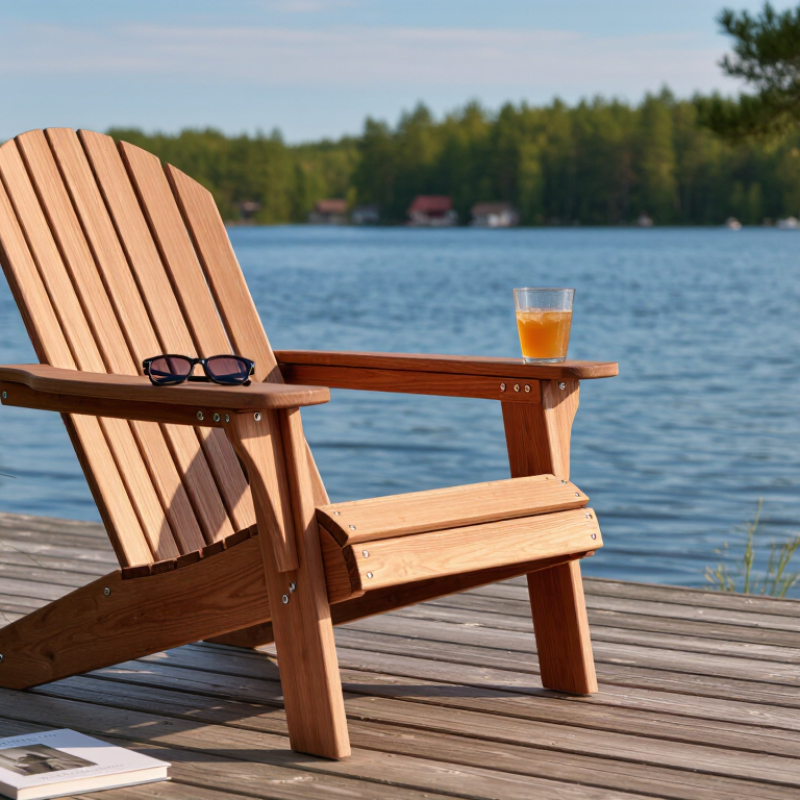
Leisure Muskoka Chairs have become familiar sights on lakeside decks, garden patios, and quiet cottage porches. Their wide arms hold a cold drink, a paperback, or a pair of sunglasses. Their slanted backs invite slower sitting. That simple comfort explains much of their appeal.
The design traces back to the Adirondack chair tradition, developed for outdoor relaxation in North America. Thomas Lee, the original Adirondack chair designer, described his invention as intended to provide “a comfortable seat and back.” That practical goal remains visible today. Modern Leisure Muskoka Chairs often use weather-resistant wood, recycled plastic, or coated materials. Their deep seats support a relaxed posture, while broad armrests reduce pressure on the hands and elbows. These details matter after an hour beside a firepit.
Yet popularity is not proof of perfection. Some models sit too low for older users. Others collect rain in their slats or feel unstable on uneven stone. Material quality also varies sharply between manufacturers. A convincing description should mention those weaknesses, not hide them. Good chairs need smooth edges, reliable hardware, balanced proportions, and finishes suited to local weather. They should also fit the person using them, rather than merely imitate a familiar shape.
Leisure Muskoka Chairs are popular because they combine visual warmth with everyday usability. They create a recognizable outdoor mood without demanding complicated maintenance. Still, the best choice depends on body size, climate, storage space, and sitting habits. Comfort is personal. The famous silhouette helps, but it cannot make every chair right for everyone.
Muskoka Chairs in Context: The $18.2B Outdoor-Furniture Market (GVR, 2023)
Why Are Leisure Muskoka Chairs So Popular?
Muskoka chairs sit within a much larger outdoor-living economy. Grand View Research valued the global outdoor furniture market at approximately $18.2 billion in 2023. Its analysis also expects continued growth through the decade, supported by residential renovations, hospitality projects, and demand for usable outdoor spaces. This figure covers tables, loungers, dining sets, and accessories. It does not measure Muskoka chairs separately. That distinction matters.
The chair’s appeal is practical, not mysterious. Its wide armrests hold a mug, book, or phone without adding another table. A deep back supports relaxed sitting beside a fire pit, porch, or quiet lake. Many users also recognize the familiar slatted silhouette immediately. It feels informal. It feels settled.
Market researchers frequently connect outdoor-furniture demand with higher spending on gardens, balconies, and patios. Research and Markets has similarly identified residential outdoor improvement as a key growth driver. Yet broad market forecasts can hide local realities. Climate, storage space, material durability, and maintenance habits change the buying decision. A resin chair may suit a wet coastal yard, while a wood version can offer warmer texture but requires more care. The data explains the market’s scale, not every customer’s choice. That is the part worth questioning. Even a popular chair can be uncomfortable, oversized, or poorly matched to its setting. Experience still tests the numbers.
From Adirondack to Muskoka: How a Regional Chair Became a Leisure Icon
Why Are Leisure Muskoka Chairs So Popular?
From Adirondack to Muskoka, this chair tells a regional story. The Adirondack chair emerged in the early twentieth century for uneven outdoor ground. Its wide arms, sloped back, and deep seat supported relaxed sitting near lakes and cabins. Canadian makers adapted that form for Muskoka’s rocky shorelines and cooler summers. The result looked familiar, yet felt local. It was practical before it became fashionable. Very few outdoor products manage that transition.
According to the U.S. Bureau of Economic Analysis, outdoor recreation generated about $1.1 trillion in U.S. economic output during 2022. That figure shows how strongly people value time outside. Grand View Research also estimated the global outdoor furniture market at roughly $24 billion in 2023, with continued growth expected through 2030. These figures do not prove that one chair creates leisure culture. They reveal the larger setting. People want simple furniture that marks a pause, not another complicated device. A Muskoka chair offers that pause with a broad arm for a mug, a low angle for conversation, and a frame that looks natural beside water or grass.
The story is not perfectly tidy. I may be romanticizing the regional identity. Still, comfort travels well. That matters. Its popularity comes from a useful blend of history, posture, visual calm, and shared outdoor habits. The chair feels personal, but never exclusive. Perhaps that is why a local adaptation became a leisure icon.
Weather-Ready Materials: POLYWOOD’s 20-Year Warranty Benchmark
Why Are Leisure Muskoka Chairs So Popular?
Leisure Muskoka chairs remain popular because they make outdoor comfort feel uncomplicated. Yet their real test begins after the showroom shine fades. Rain, salt air, strong sunlight, and freezing nights steadily challenge every surface. Weather-ready materials should resist swelling, peeling, rust, and color loss without demanding constant care. High-density recycled plastic is often selected for this reason. It does not absorb water like untreated wood, and it avoids many paint-related maintenance problems. A twenty-year warranty is a useful benchmark, not a magic shield. It suggests the manufacturer expects long service, but coverage terms still deserve close reading.
Look for clear language about structural failure, fading, hardware, labor, and exclusions. A serious warranty should explain what happens when a chair cracks, warps, or becomes unsafe. Installation, coastal exposure, commercial use, and cleaning chemicals may change eligibility. I have found that simple details matter most: smooth edges, sturdy joints, and hardware that stays tight. Still, no material is completely maintenance-free. That claim deserves skepticism.
Tips: Place chairs on a level surface, rinse off salt, and wipe away standing water after storms. Use mild soap rather than abrasive cleaners. Check screws each spring, even when the chair looks untouched. Keep realistic expectations. A warranty can support confidence, but daily care remains part of ownership.
Style, Maintenance, and Value: Why Outdoor-Living Demand Sustains Popularity
Why Are Leisure Muskoka Chairs So Popular?
Style, Maintenance, and Value: Why Outdoor-Living Demand Sustains Popularity
Muskoka chairs suit relaxed outdoor spaces because their wide arms hold a mug, book, or phone. Their angled backs also support a slower sitting posture beside firepits, decks, and garden tables. Outdoor-living demand continues to support this category. Grand View Research estimated the global outdoor furniture market at about US$20 billion in 2023, with growth above 5% annually through 2030. The estimate includes chairs, tables, and related products.
Material choice strongly affects maintenance and long-term value. Recycled plastic models usually resist moisture, insects, and peeling better than untreated timber. They need soap, water, and a soft brush after pollen or spilled drinks. Timber feels warmer, but it may require sanding and protective coating. That difference matters in coastal areas. Salt air can expose weak finishes quickly.
IMARC’s outdoor furniture market analysis also identifies home improvement and outdoor leisure as major demand drivers. That pattern fits what installers often see: buyers want attractive seating without complicated care. Yet value is not automatic. A chair with weak fasteners may wobble after one season. Check the hardware, drainage, weight capacity, and warranty terms. I still think appearance receives too much attention. Comfort, repairability, and storage space deserve equal consideration. Trends help sales, but daily use reveals the truth.
Why Are Leisure Muskoka Chairs So Popular?
Style, Maintenance, and Value Behind Sustained Outdoor-Living Demand
Outdoor furniture remains attractive because consumers increasingly treat patios, decks, and gardens as extensions of indoor living areas. Muskoka-style chairs combine recognizable design, low-maintenance materials, weather resistance, and long-term value, making them a practical choice for relaxed outdoor spaces.
Data sources: International Casual Furnishings Association consumer research, American Home Furnishings Alliance industry reports, and Grand View Research outdoor furniture market analysis. Percentages represent reported or estimated consumer and market indicators; projected values are estimates.