
The international trade of PU insulation wall panels is entering a golden development period
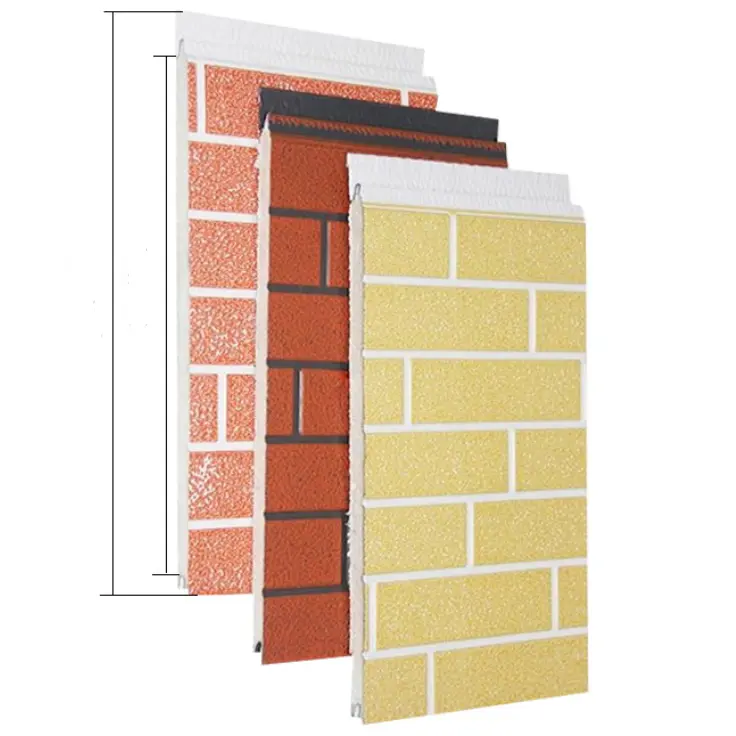
At present, the international trade of pu wall panels shows three significant trends. At the policy level, the continuous tightening of environmental protection regulations in various countries has given rise to rigid demand: China's implementation of the HCFC-141b foaming agent ban has promoted the green upgrade of the PU wall panel industry. The EU EPBD directive requires that new public buildings achieve near-zero energy consumption starting from 2028. The ultra-low thermal conductivity of 0.022W/(m · K) ofPu Sheets For Wall has increased energy efficiency by 40% compared to traditional materials. Become the first choice for meeting standards in various countries. In terms of market demand, Southeast Asia and the Middle East have performed particularly outstandingly. In 2024, China's export volume of PU wall panels reached 280,000 tons, with the Southeast Asian market accounting for 41%. The deepening implementation of RCEP is expected to drive an average annual growth rate of 18% in demand in this region. Technological innovation has injected core impetus into trade expansion. The penetration rate of fluorine-free foaming technology has risen to 29%, the fire resistance rating has exceeded the A-level standard, and the bio-based Pu Wall Panel have achieved A 30% substitution of plant-based raw materials, reducing carbon emissions by 45% and significantly enhancing international competitiveness.
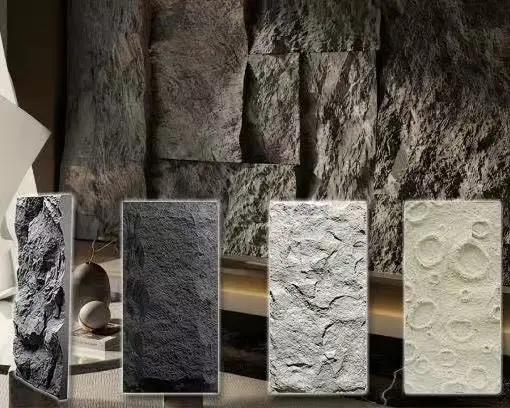
Looking ahead, the international trade of Pu Stone Wall Panels will enter a new stage of high-quality development. The market size is expected to continue to expand. It is estimated that the global PU wall panel market size will exceed 20 billion US dollars by 2030. Infrastructure construction in the countries along the Belt and Road will drive an annual export growth of more than 25%. Technological iterations will focus on multi-functional integration. Innovative forms such as BIPV (Building Integrated Photovoltaic) PU wall panels and high-density products specifically designed for cryogenic environments will gradually be applied to emerging fields like data centers and cold chain logistics. Meanwhile, the industry will accelerate the construction of a green supply chain system, and respond to new trade regulations such as the EU's CBAM carbon tariff through measures like carbon footprint management and international certification layout (CE, FM certification), promoting PU wall panels to become a globally recognized benchmark for low-carbon building materials.
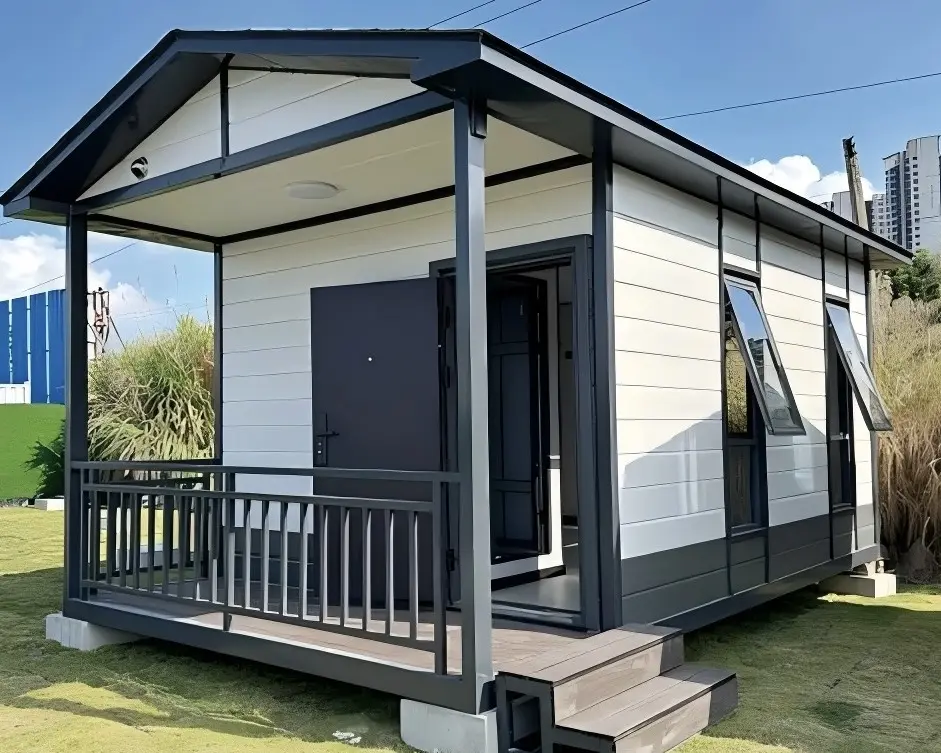
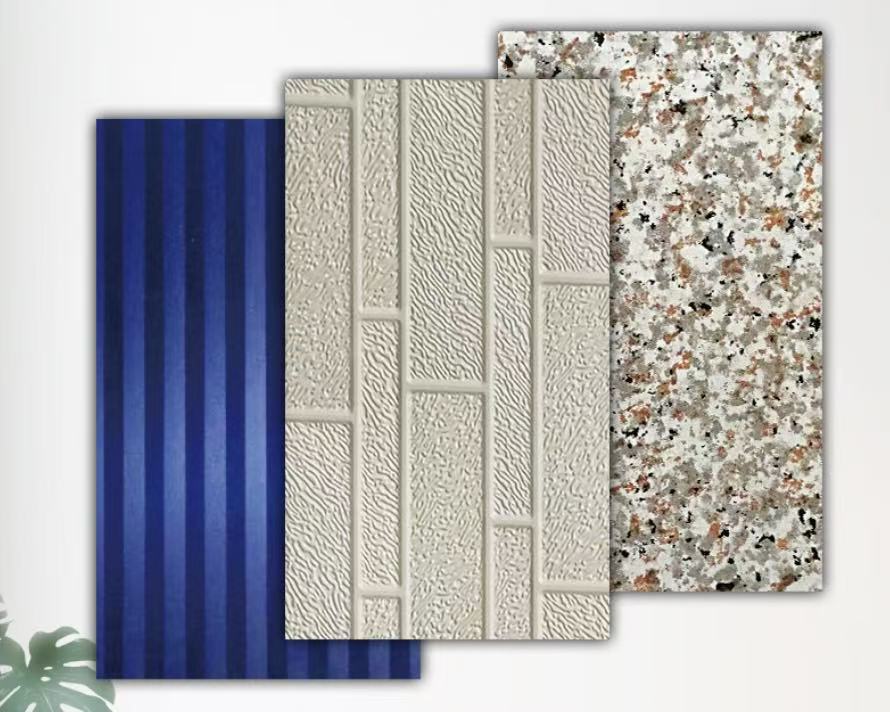
From the exterior wall application of the Burj Jumeirah project in Dubai to the rapid construction of Amazon's overseas warehouses, Brick PU Sandwich Panelare reshaping the global building materials trade pattern with their comprehensive advantages of "energy-saving and high efficiency + green environmental protection + easy installation". In the future, with the deep integration of technological innovation and market expansion, PU wall panels will continue to focus on core markets such as Southeast Asia and the Middle East, expand high-end application scenarios in Europe and America, provide sustainable solutions for the low-carbon transformation of the global construction industry, and write a new chapter of development of "green building materials, connecting the world".