2026 Top Solid Wood Antique Chairs for Global Buyers?
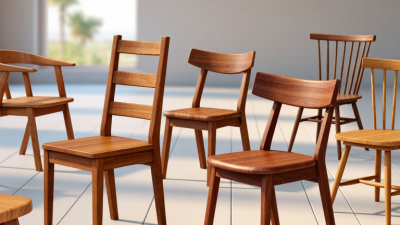
For global buyers, 2026 brings renewed interest in Solid Wood Antique Chairs with proven craftsmanship, durable materials, and honest historical character. This guide examines chair styles, wood species, construction methods, and buying signals that matter across international markets. Oak, walnut, mahogany, and elm each show different grain patterns, weight, and aging behavior. A close look at the legs, joints, seat frame, and underside can reveal more than polished photographs.
Details matter. Very much.
Experienced buyers should request clear images of mortise-and-tenon joints, woodworm marks, repairs, finishes, and maker’s labels. A chair with uneven patina may be more credible than one with artificial distressing. However, age alone does not guarantee quality. Some antique chairs require careful stabilization before regular use, especially when joints creak or the frame flexes. That point is easy to overlook.
Reliable sourcing also involves documented provenance, accurate dimensions, material descriptions, and transparent restoration records. Buyers should confirm packing methods, moisture protection, insurance, and destination requirements before placing an order. Regional rules may affect the shipment of antique furniture or certain wood species, so professional verification is essential. This overview does not treat every attractive chair as a safe investment. Prices, authenticity, and condition can be difficult to judge from a screen. That uncertainty deserves attention. By comparing expert evaluations, practical inspection methods, and responsible supplier standards, global buyers can make more informed choices among the leading Solid Wood Antique Chairs for 2026.
What Defines a Solid Wood Antique Chair in 2026
In 2026, a solid wood antique chair is defined by material, age, construction, and evidence. Solid wood means the frame uses natural timber, not veneer over engineered board. Age alone is insufficient. A newly distressed chair can imitate wear, but it cannot reproduce decades of shrinkage, oxidation, and uneven handling.
Experienced buyers inspect continuous grain, hand-cut joints, old fasteners, secondary woods, and repaired break points. A chair may show genuine tool marks beneath later polish. That detail matters. The USDA Forest Products Laboratory’s Wood Handbook explains that wood changes dimensionally with moisture, making seasonal gaps and joint movement useful inspection clues. Indoor furniture commonly stabilizes near 6–8% moisture content, although local climate changes this range.
Material responsibility also shapes the 2026 definition. FAO’s Global Forest Resources Assessment 2020 reports that forests covered about 4.06 billion hectares globally, while roughly 420 million hectares disappeared between 1990 and 2020. Therefore, buyers should ask for timber identification, restoration records, and clear provenance before purchasing older furniture. Documentation is imperfect sometimes. That deserves honest disclosure.
A reliable inspection includes a concealed-frame check, a woodworm assessment, and a measurement of seat height after restoration. Excessive refinishing can erase useful evidence. Original upholstery is not always better, either. It may hide structural weakness or contain unsuitable later materials. The chair should show authentic age, stable construction, and repair choices that respect its history.
Key Historical Styles and Features of Antique Wooden Chairs
2026 Top Solid Wood Antique Chairs for Global Buyers?
Key Historical Styles and Features of Antique Wooden Chairs
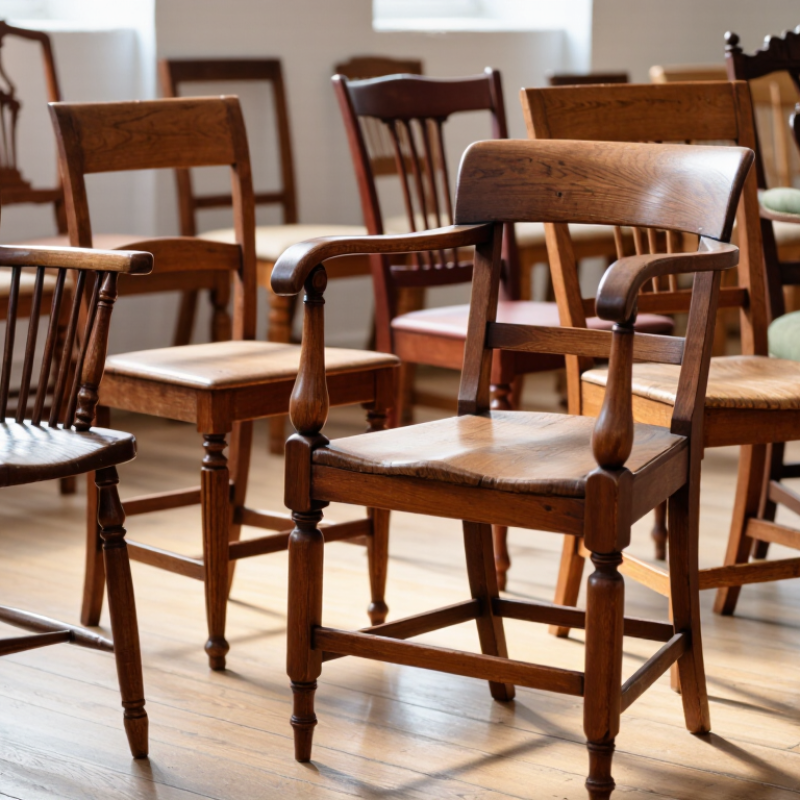
Antique wooden chairs reveal changing ideas about comfort, status, and craftsmanship. Early Georgian forms often show balanced proportions, straight legs, and restrained carved details. Later Victorian chairs may feature curved backs, floral carving, and darker finishes. Rococo-inspired examples use flowing lines and shell motifs. They feel lighter, even when built from dense timber.
Construction often matters more than decoration. Examine hand-cut joints, uneven tool marks, wooden pegs, and natural movement across the seat. These details can support an older date, but they do not prove authenticity alone. Oak, walnut, mahogany, and elm each display different grain patterns and aging responses. A dry surface, softened edges, and varied patina may indicate long use. Artificial distressing can imitate these signs.
A practical inspection needs patience. Turn the chair over. Check repairs, replaced feet, loose joints, and wormholes. Not every mark is charming. Some damage affects safety and restoration costs. Measurements also matter, especially when chairs enter modern dining spaces. I have found that photographs hide seat height and structural weakness surprisingly often. Request clear images, condition reports, and provenance documents before purchase. Historical labels can be uncertain, and sellers may describe a chair by style rather than exact period. That distinction deserves careful attention from global buyers.
2026 Top Solid Wood Antique Chairs for Global Buyers
Key historical styles and defining features of antique wooden chairs
The chart shows approximate periods when major European chair styles were prominent. Gothic chairs are associated with high backs and carved tracery; Renaissance chairs with architectural carving and turned supports; Baroque chairs with dramatic curves and ornament; Rococo chairs with asymmetry and shell motifs; Neoclassical chairs with straight lines and classical proportions; and Victorian chairs with revival detailing and heavier upholstery. Dates are broad historical ranges rather than strict boundaries.
How Wood, Craftsmanship, and Authenticity Affect Chair Value
When I inspect antique chairs for international buyers, I begin with the wood, not the decoration. Dense oak, walnut, and elm usually age with distinctive grain, color, and surface movement. A warm patina can show years of careful use. Freshly darkened areas may suggest later finishing instead. Look closely. Wood can reveal more than photographs.
Craftsmanship strongly affects value. Hand-cut joints, uneven tool marks, and carefully shaped legs often indicate skilled workshop labor. Tight mortise-and-tenon joints usually provide better stability than excessive nails or modern adhesives. I also test the chair gently for movement, loose rungs, and repaired splits. However, handmade does not mean flawless. Some irregularities reflect its history, while others weaken daily use.
Authenticity connects material and construction with credible evidence. Buyers should request detailed photographs, measurements, restoration records, and information about previous ownership when available. A chair with honest repairs may be more valuable than one altered to appear perfect. I have sometimes judged a polished surface too quickly, especially under warm showroom lighting. Natural daylight, underside inspection, and an independent appraisal can change that opinion. For global purchases, professional packing and stable humidity matter because old wood reacts to sudden climate changes. A beautiful chair can lose practical value if it arrives warped, cracked, or unstable.
How Global Buyers Can Compare Antique Chair Options
2026 Top Solid Wood Antique Chairs for Global Buyers
Global buyers should compare antique chairs by structure, history, comfort, and shipping practicality. A carved oak chair may look impressive, yet hidden repairs can affect its value. Examine the underside, joints, stretchers, and seat frame. Original hand-cut joints often show uneven tool marks and natural aging. Machine-perfect surfaces may indicate later replacement parts.
Wood species also matters. Oak feels dense and stable, while walnut offers richer color and finer grain. Check for cracks near the legs, insect damage, loose joints, and excessive refinishing. Ask for clear photographs in daylight, including close views of repairs. Request measurements in centimeters and inches. Seat height can differ greatly from modern furniture, which is an easy detail to overlook.
Tips: Compare at least three chairs using the same checklist. Ask for restoration records, wood details, approximate age, and packing methods. Confirm whether the chair can be disassembled safely for transport. Experienced sellers should explain uncertainty instead of promising perfect authenticity. I have found that minor scratches can add character, but deep structural damage should not be romanticized. Condition descriptions are sometimes subjective, so independent inspection remains valuable. Allow space for protective packaging, and measure doorways before ordering. A beautiful antique chair is still impractical if it arrives unstable or cannot fit the intended room.
Shipping, Documentation, Care, and Import Considerations for Buyers
2026 Top Solid Wood Antique Chairs for Global Buyers
Shipping, Documentation, Care, and Import Considerations for Buyers
Buying an antique solid wood chair internationally requires more than attractive photographs. Request close images of joints, carvings, repairs, labels, and underside markings. Measure the chair, crate, and doorway clearance carefully. Measurements are often underestimated. A reinforced wooden crate, corner protection, and moisture control can reduce transit damage. Ask the seller about fumigation or wood-treatment requirements before shipment. Some countries require treated packaging under current import rules.
Reliable paperwork should match the chair exactly. Request a commercial invoice, packing list, country-of-origin statement, material description, and accurate customs classification. Provenance records can support age claims, but they do not replace official customs documents. An import broker can check duties, taxes, permits, and inspection procedures for the destination country. Rules may differ for old timber, restored furniture, or wood from protected species. Do not assume “antique” means unrestricted entry.
Care begins when the crate arrives. Photograph the package before opening it, including damaged corners or broken seals. Let the chair adjust indoors for several hours before moving it. Keep it away from radiators, direct sunlight, and damp walls. Stable humidity helps reduce splitting and loose joints. Use a soft cloth, not aggressive polish. Test any cleaner on a hidden area first. One practical lesson is uncomfortable: a chair with honest wear may be safer than one with fresh, poorly documented restoration. Ask questions early, and keep every answer in writing.