Recently, our company invited Mr. Wang Jianjun, a senior expert in the industry and a member of the China Building Energy Conservation Association, together with the manager of the company's international trade department, Ms. Li Na. They combined the company's product layout and market practice to deeply analyze the product advantages, application scenarios, and new global trade trends of the Insulation Wall Panels.
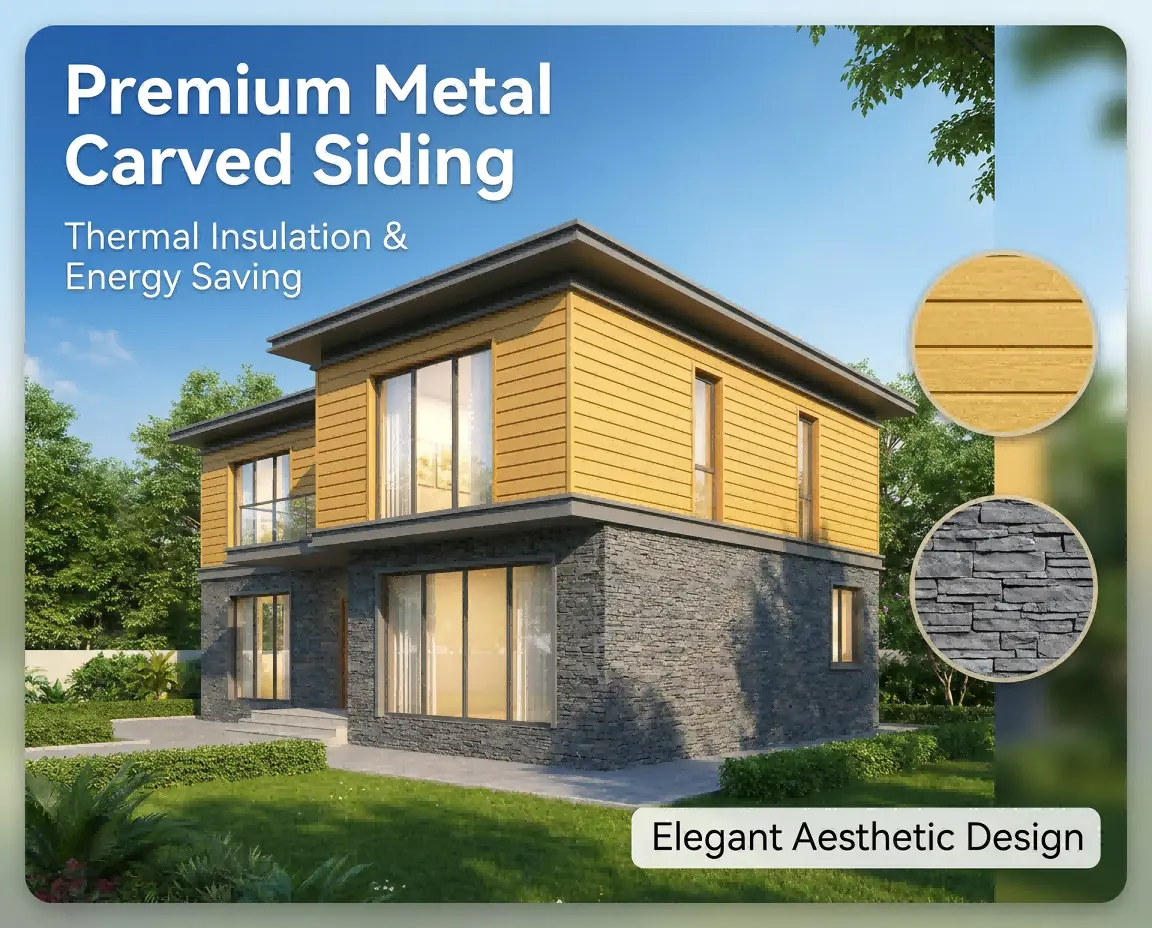
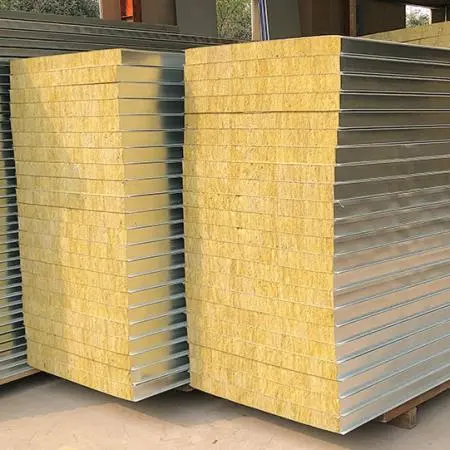
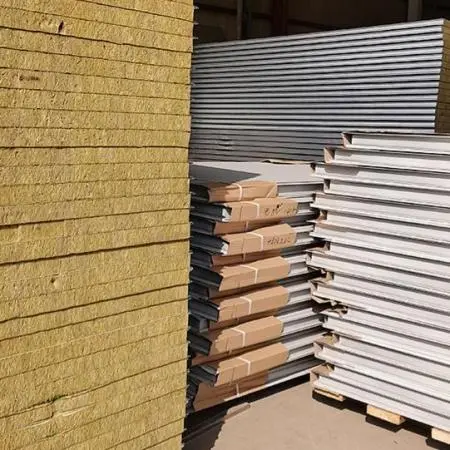
Wang Jianjun pointed out that the core competitiveness of high-quality Foam Insulation Boardslies in "multifunctional integration and full-scenario adaptability". Taking the rock wool composite insulation Wall Panels and polyurethane core insulation wall panels that our company mainly promotes as examples, both possess multiple characteristics such as low thermal conductivity (0.02W/(m·K) - 0.06W/(m·K)), A-level fire resistance and flame retardancy, waterproofing and moisture-proofing, sound insulation and noise reduction. Among them, the nanoSandwich Insulation Board have a thermal conductivity as low as 0.013W/(m·K), and the insulation efficiency is more than 50% higher than that of traditional products. Some products adopt an integrated design for insulation and decoration, and the surface can simulate the effects of stone, aluminum plates, etc. The construction period is shortened by 40% compared to traditional materials, and they are suitable for various scenarios such as residential buildings, commercial complexes, industrial plants, and old wall renovations.
Regarding the issues that customers are generally concerned about, such as Pu Sandwich Wall Panel, trade trends and compliance risks, the two guests provided concentrated answers.
Q1: Does the insulation effect of the insulation wall panels solely depend on their thickness? How can one make an informed selection?
A: That's not the case. There is a diminishing marginal effect in thickness. The core lies in the material properties and structural design. Wang Jianjun stated: "Our graphite polystyrene board (SEPS) enhances thermal radiation reflection by adding graphite particles, resulting in a 20%-30% higher insulation performance at the same thickness compared to ordinary polystyrene boards; the thickness of the
Insulation Roof Panels is only 1/5 of traditional materials, yet it achieves the same insulation effect. The selection needs to be combined with regional climate and building type. For example, in extremely cold regions, rock wool composite insulation wall panels should be preferred, while in high-temperature and high-humidity regions, polyurethane core insulation wall panels can be chosen, taking into account both insulation and moisture-proofing requirements."
Q2: What are the main current trends in the international trade of insulation wall panels? What opportunities are there in emerging markets?
A: The regionalized supply chain operates in parallel with high value-added product trade. Li Na added: "After the EU and North America upgraded their building energy-saving regulations, there was a significant increase in demand for high-end products such as composite insulation wall panels and vacuum insulation panels, with an annual growth rate of over 30%. At the same time, in emerging markets such as Southeast Asia and the Middle East, due to the acceleration of infrastructure construction, there is a strong demand for cost-effective insulation wall panels, with an average annual growth rate of over 25%. Our company has obtained green building material certifications such as EU CE and US UL, and has opened up mainstream market channels in Europe and the United States. By 2025, our market share in Southeast Asia will increase by 12 percentage points compared to the previous year."
Q3: When an enterprise exports insulation wall panels, how can it avoid compliance risks in international trade?
A: It is necessary to closely monitor the market entry standards and make preparations for obtaining compliance certifications in advance. Wang Jianjun emphasized: "The fire protection standards and carbon emission assessment requirements vary significantly among different countries. For instance, under the EU's Carbon Border Adjustment Mechanism (CBAM), a full life cycle environmental report for products is required; some countries in the Middle East have specific requirements for the weather resistance of wall panels. Companies should establish a global compliance testing team, complete the certification for target markets in advance, and at the same time pay attention to tariff policies and trade barriers, and reduce supply chain risks through local storage."