Light Steel keel and Painted keel: A Comprehensive Analysis of Differences, Advantages and Application Scenarios
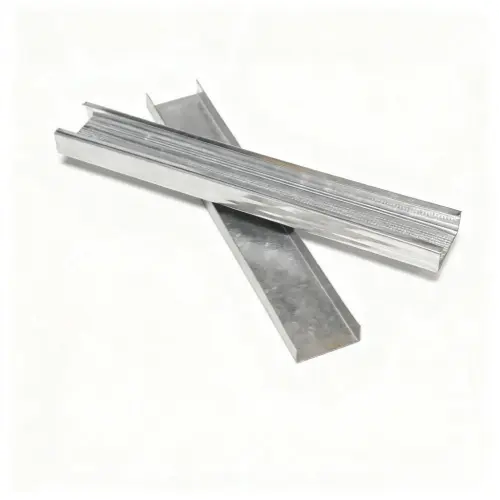
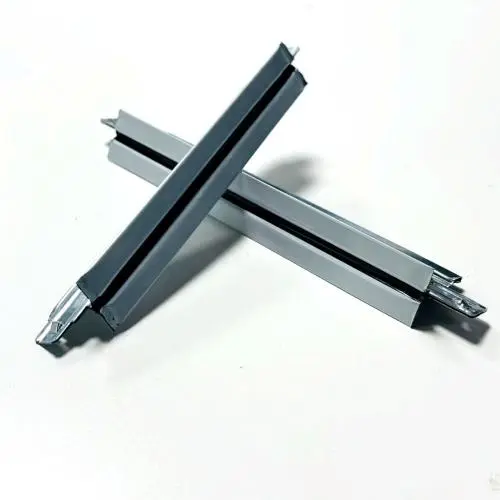
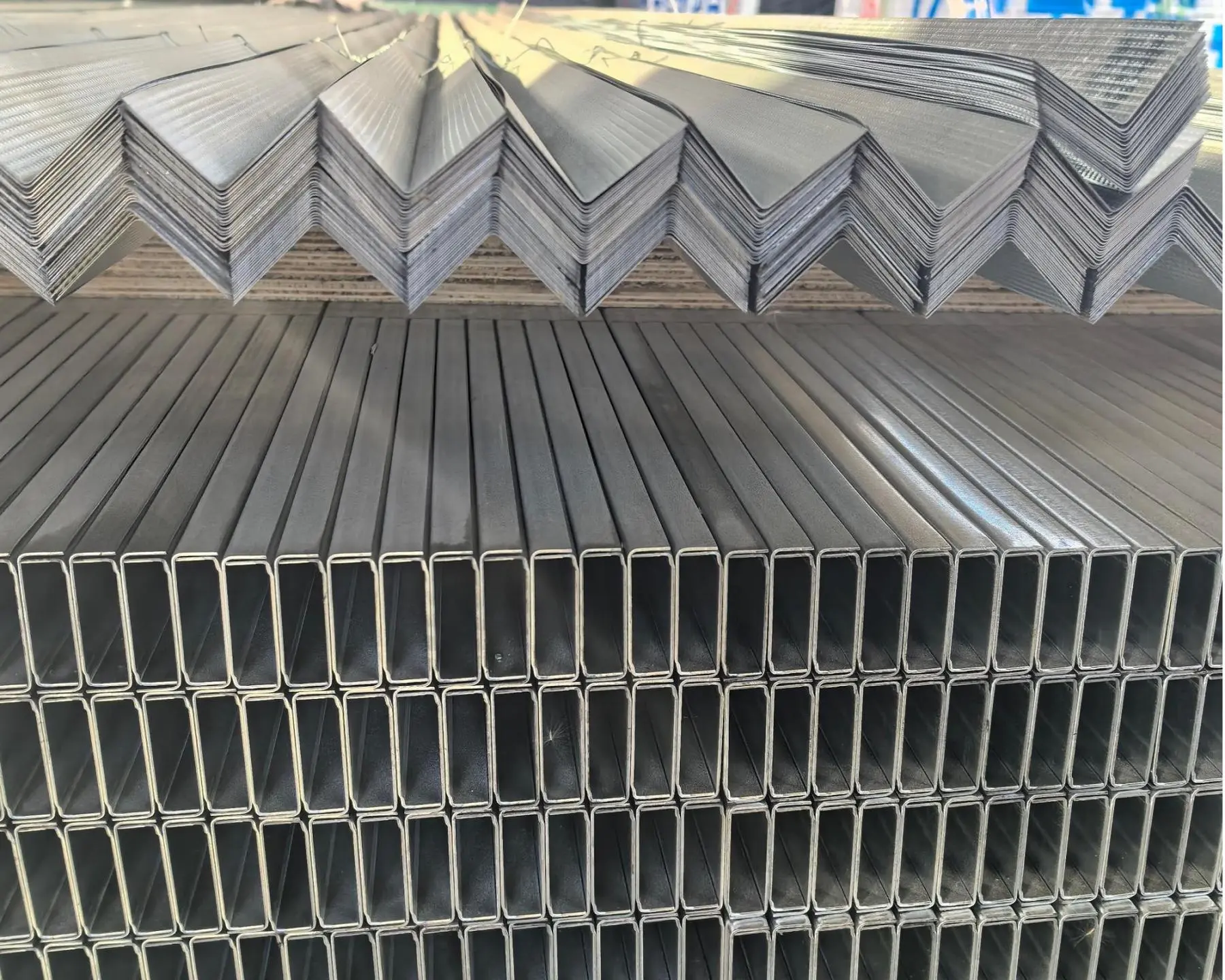
The most crucial difference between the two lies in the materials and craftsmanship. Light Steel Keelis made from high-quality cold-rolled thin steel plates as raw materials, formed through cold-bending process, and its surface is usually treated with galvanization for rust prevention. The lacquered keel is based on the Light Steel Keel and features an additional electrostatic spraying and lacquering process, forming a dense lacquered coating on the surface. In short, the painted keel is an "upgraded and optimized version" of the light steel keel. It inherits the advantages of the light steel keel in terms of basic performance, while enhancing its appearance and anti-corrosion performance.
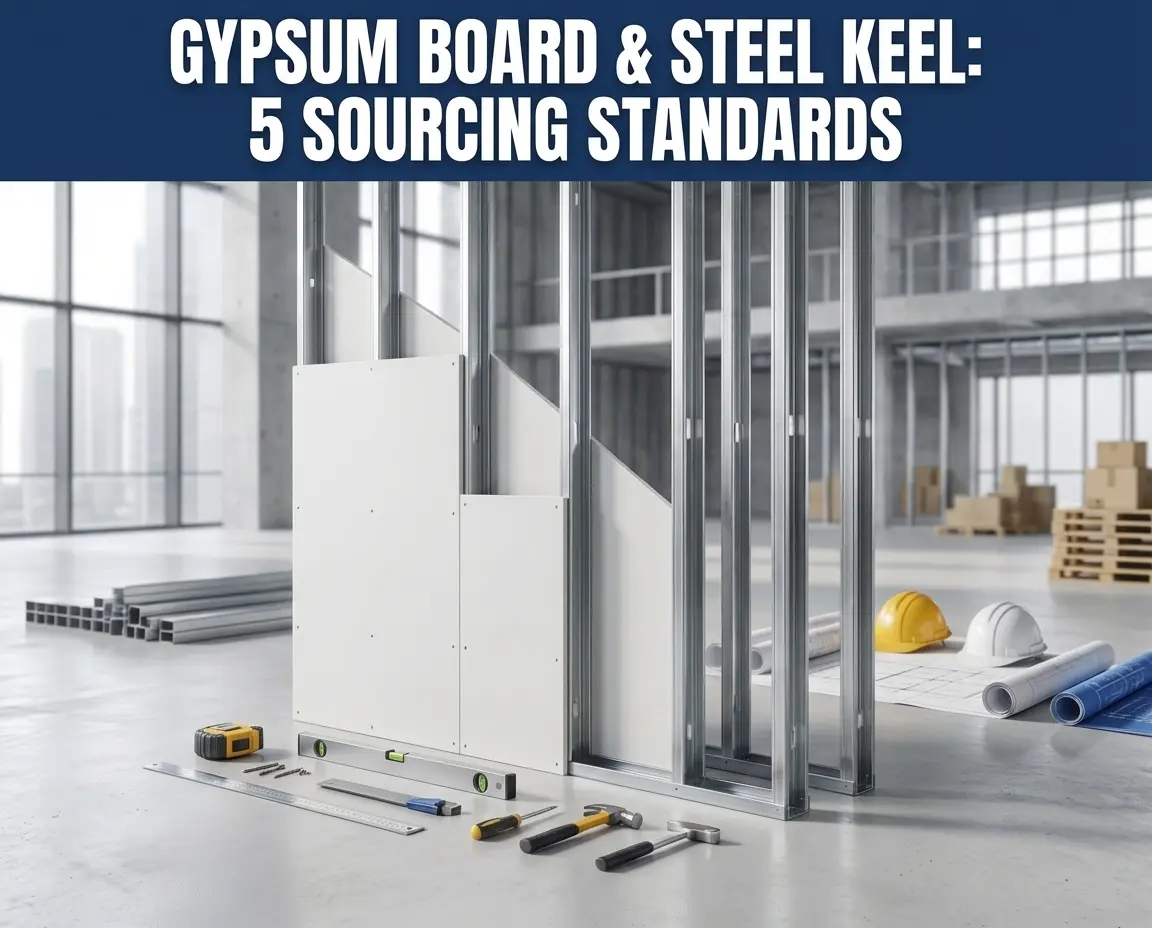
The core advantages of Ceiling Light Steel Keel lie in its cost performance and structural stability. Its material is highly resilient and has excellent load-bearing capacity, effectively resisting deformation and cracking. Moreover, the galvanizing treatment endows it with basic rust prevention capabilities, making it suitable for most indoor dry environments. In addition, Drywall Light Steel Keel are lightweight and easy to install, which can significantly enhance construction efficiency and have relatively controllable costs. They are highly versatile decorative base materials.
The Painted Keel is superior in appearance and durability. After baking varnish treatment, the surface color is uniform, smooth and fine, and can present a variety of colors. It can be both practical and aesthetically pleasing without additional decoration, meeting the visual needs of high-end decoration. Meanwhile, the baking varnish coating further enhances the anti-rust and anti-corrosion capabilities, is wear-resistant, easy to clean, and has a longer service life than ordinary light steel keels, with lower maintenance costs.
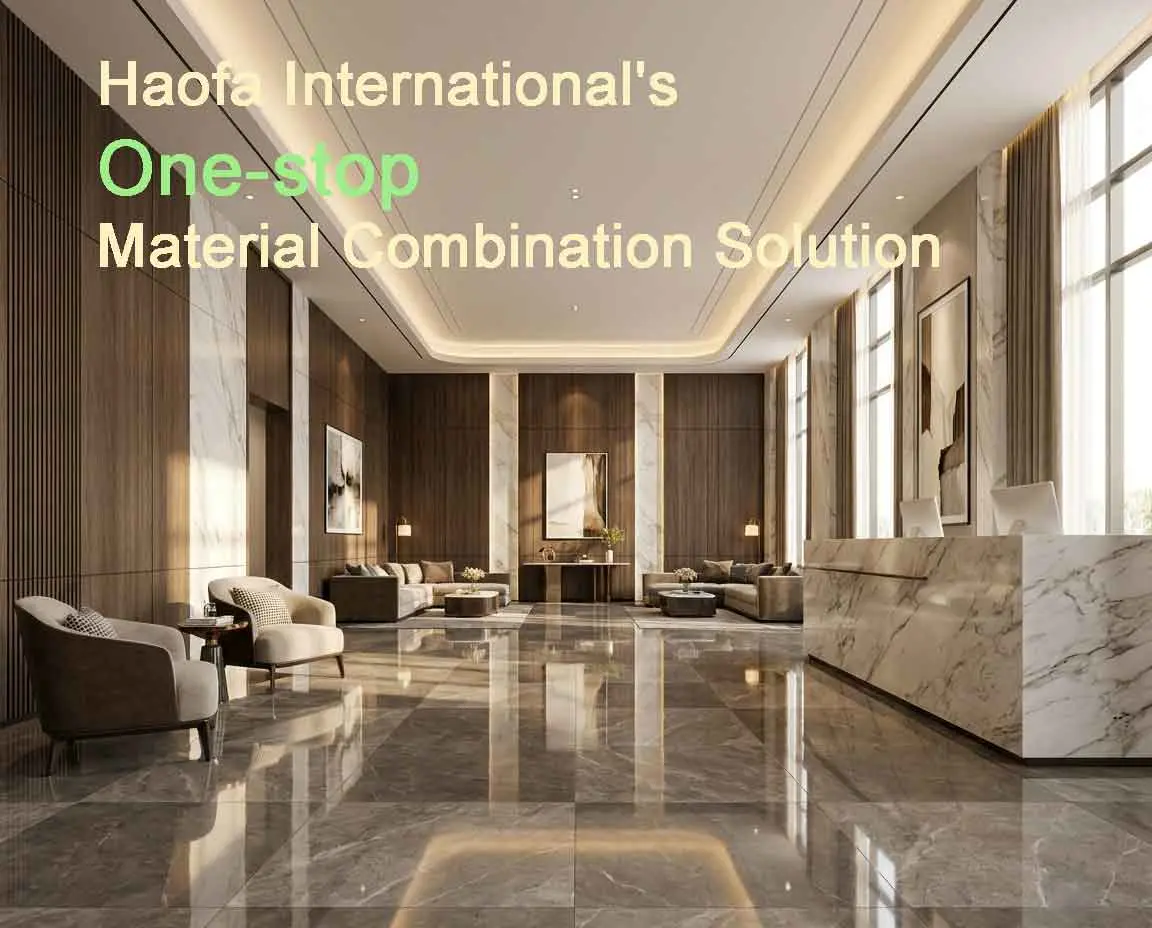
In terms of application scenarios, both have their own focuses. Light steel keel is suitable for scenarios where the appearance requirements are not high and high cost performance is pursued, such as ordinary residential ceilings, interior partition walls, factory workshop decoration, and basic decoration of office areas in office buildings. It is the first choice for mass decoration. The Painted Keel is more suitable for high-end places, such as shopping mall counters, hotel lobbies, exhibition halls, airport terminals, and the front desks of high-end office buildings. It can not only meet the load-bearing requirements but also enhance the spatial texture with its exquisite appearance.
In conclusion, when choosing between light steel keel and painted keel, a comprehensive judgment should be made based on the decoration budget, space usage and aesthetic requirements. Only by rationally choosing the appropriate keel materials can both the decorative effect and the performance be balanced, and a high-quality decoration project be created.